
Living in Split as a Digital Nomad
Living in Split as a digital nomad: the best neighbourhoods to base in, real coworking spaces, the summer rent trap and how the visa income rule works.
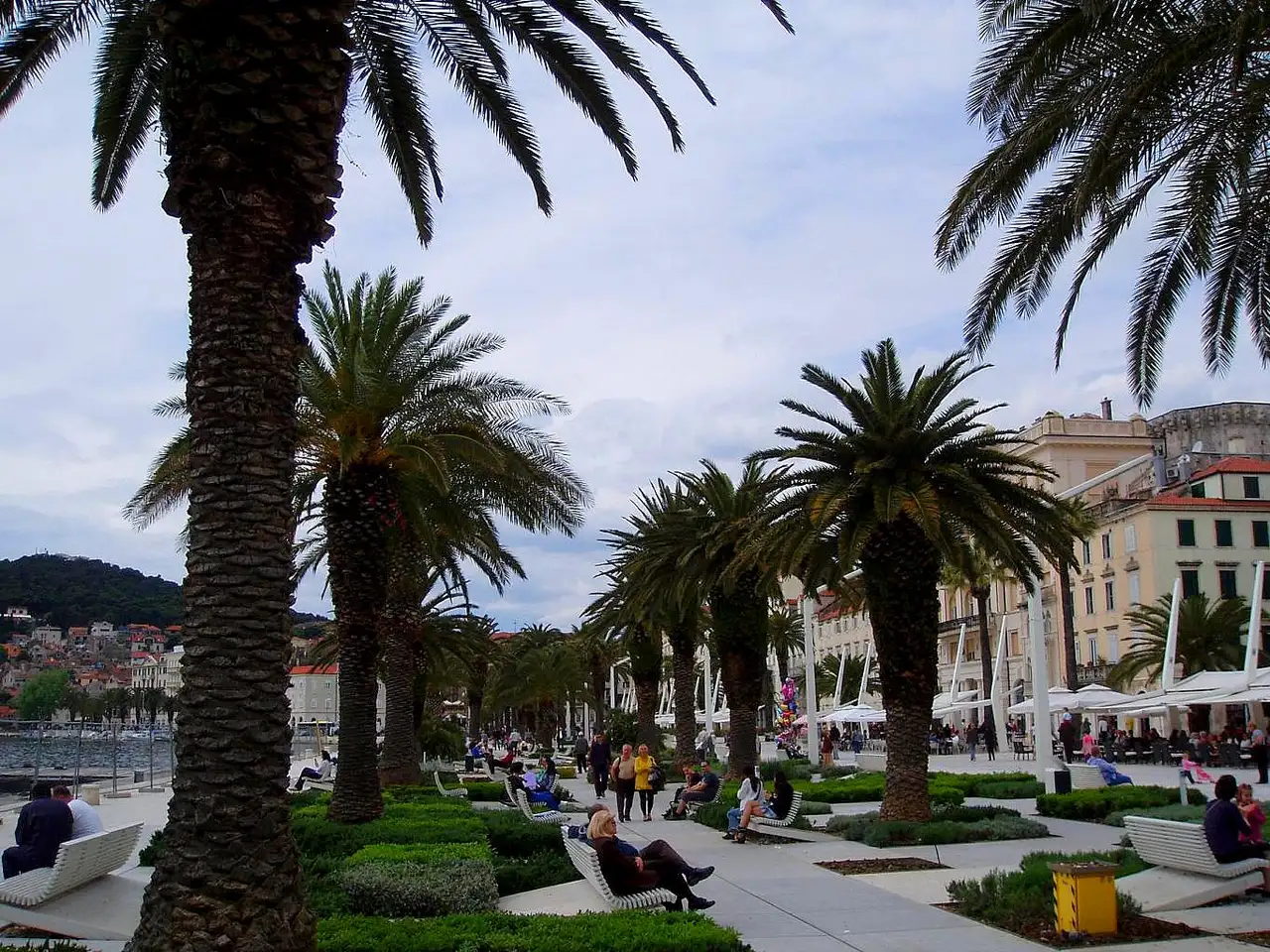
Split works as a digital-nomad base if you go in with your eyes open about two things - here’s the honest version: the sea is the whole point, and summer is when the city stops being cheap or quiet. Live here and you’ll get Diocletian’s Palace as your neighbourhood, Marjan’s pine forest for morning runs, ferries to Hvar and Brač at the end of the street, and a real coworking scene. But rents jump and long-term apartments vanish from June to September as owners switch to tourist lets, so when you arrive and which district you choose matter more than in most cities - don’t treat it like Lisbon.
This is the practical, Split-specific side of nomad life here - where to actually base yourself, where to work, the seasonal rent trap, and how the residence and tax rules apply. For the country-wide monthly budget and the full visa mechanics, we link out where it makes sense rather than repeat them.
Money, tax and residency disclaimer. Rules, fees and the nomad income threshold change and are re-indexed yearly. Everything here was checked on 3 July 2026 against official sources, but confirm the current figures on mup.gov.hr and the Tax Administration before you apply, sign a lease or rely on any number. Nothing here is legal, tax or financial advice.
Is Split a good base for a nomad?
Yes, with one caveat - and it’s a big one. What Split does better than almost anywhere in Croatia is combine a walkable historic city, swimmable coast and easy island access with a genuine community of remote workers, especially in the warmer months. The core is compact and pedestrian, the airport is only about 24 km out, and the ferry, bus and train stations sit together beside the old town - so weekend trips and visa runs aren’t a hassle.
The caveat is seasonality. From roughly June to September, Split runs on tourism: apartments cost more and turn over weekly, the old town gets loud and packed, cafés you liked as quiet workspaces fill with visitors, and the beaches are busy. Out of season - autumn through spring - it flips to a calmer, cheaper, more liveable town, which is why many longer-stay nomads treat winter as the time to lock in a lease. If you want the postcard without the summer squeeze, base here from about October to May.
Where to live: neighbourhoods for a longer stay
Choosing a district for a month or a season is a different game from choosing one for a three-night trip - you’re weighing quiet, price and a normal daily rhythm over being steps from the sights. Our where to stay in Split guide maps the areas for visitors; here’s the same city read for someone actually settling in.
- Diocletian’s Palace / old town. Magical to live inside, but the honest nomad verdict is hard to sustain long-term: it’s the priciest area, the loudest at night in summer, has no parking, and much of the stock is tuned to short tourist lets. Great for a first few weeks to fall in love with the city; you’ll find it tiring as a work base by August.
- Veli Varoš. The old stone quarter just west of the palace, on Marjan’s lower slopes - old-town character with far less noise, walkable to everything. A strong pick if you want atmosphere and can handle stepped lanes.
- Radunica, Lučac and Manuš. Residential streets immediately east of the palace, near the Pazar green market. Quieter, cheaper, and normal - this is where a lot of value-minded long-stayers land while keeping the centre on foot.
- Bačvice and Žnjan (the beach east). If your ideal day ends with a swim, you’ll want to base along the eastern shore. Bačvice has the sandy bay and nightlife within walking distance of the centre; Žnjan, further east, is more residential and calmer - and handy for one of the coworking spaces below.
- Meje and Spinut (under Marjan). The quiet, leafy west side below the hill - good for a settled, car-friendly stay with the forest and coves on your doorstep, at the cost of a longer walk into town.
Coworking in Split
Split has a small but real coworking scene - you’ll use it both for reliable internet and for meeting other remote workers. The main spaces, as listed by the local tech community (Split Tech City) and Expat in Croatia, are:
- SaltWater Workspace (I + II) - the nomad-focused option, with two locations in and around the old town (one behind the National Theatre near Stari Plac, one by the green market). SaltWater Nomads also runs community events and helps match longer-stay renters with apartment owners, which is genuinely useful in a tight rental market.
- Amosfera Coworking - up in the Split 3 student district (roughly 25 minutes from the old town), a social-enterprise space with a sea view.
- WIP Coworking - a beachside space out on Žnjan, about 25 minutes by bike from the centre - the pick if you’re basing on the eastern beaches.
- CoCreative Coworking - in the residential Spinut area near the centre.
A practical note: verify current opening hours, day-pass and monthly prices directly with each space before you commit, as these change and some scale back out of season. Home internet in city apartments is generally fine for calls, but always test the actual connection before signing a lease - don’t assume.
The rent trap: why timing beats budgeting
Rent is the one line that can wreck a Split budget, and it behaves differently here than in a normal city. Because Split is a summer destination, many landlords flip their apartments to weekly tourist rentals from late spring, which thins out long-term stock and pushes prices up right when demand peaks. You can find a good long lease in Split - but usually by signing in autumn or winter, when owners want a stable tenant through the quiet months.
The mistake to avoid is arriving in June expecting to settle cheaply. What you’ll often find instead is a short lease that quietly ends before August, or a summer price that assumes you’re a holidaymaker. The workaround is simple: book two to four weeks of flexible accommodation first, view long-term listings in person, and don’t pay a deposit until you’ve seen the place and agreed in writing what’s included. If you only need Split for the summer, treat it as a travel stint, not a stable base.
For the actual euro figures - realistic monthly ranges, rent bands, groceries, transport and insurance - see our Croatia cost of living for digital nomads guide, which sets Split against Zagreb and covers the numbers in detail. The short version: Split is pricier and far more seasonal than the capital for the same standard of life.
The visa and residence side
If you’re not an EU/EEA/Swiss citizen and want to stay beyond the visa-free period, the route is Croatia’s digital-nomad temporary stay - a permit of up to 18 months for people working remotely for employers or clients based outside Croatia. Croatia has used the euro and been in Schengen since 1 January 2023, so the permit puts you inside the EU. The full step-by-step is in our Croatia digital nomad visa guide; here’s what matters for planning a life in Split.
The income requirement is a formula, not a fixed number. It’s set at 2.5× the previous year’s average monthly net Croatian salary, so it rises automatically each year. For 2026 that formula produces about €3,622.50 per month (2.5 × roughly €1,449 average net salary), as indexed in the official gazette (Narodne novine 3/26) - up from around €3,295 the year before. Each accompanying family member adds 10% of the average net salary (about €145 a month at current figures), not 10% of the threshold. Because the figure is re-indexed annually, treat this as a guideline and confirm the live amount on mup.gov.hr before you apply - especially if your income sits near the line.
Note the gap between that threshold and what Split actually costs to live in: the visa requires you to document a fairly high income, even though a comfortable solo month here costs well under it. The two numbers are separate - one is a legal requirement, the other is your real spend.
Tax, insurance and the fine print
On tax, Croatia exempts a registered digital nomad’s foreign-source income from Croatian income tax (Income Tax Act, Art. 9) - the headline draw. Two things to check with the Tax Administration rather than assume: the exemption is generally read as covering active work income (passive income like dividends or rent is treated differently), and it doesn’t apply to EU/EEA/Swiss nationals. The 183-day tax-residency question interacts with all of this, so get specifics from porezna-uprava.gov.hr or a Croatian tax adviser. Our taxes for foreigners guide has the wider picture.
Health insurance isn’t optional for the permit - it’s part of the document set, and worth having regardless. Monthly nomad cover such as SafetyWing (compare plans) suits open-ended stays; travellers from CIS countries and Ukraine should look at EKTA, which some Western insurers exclude. See what to look for in our Croatia travel insurance guide. One more admin note: permanent residence needs five years of continuous legal residence, and the nomad stay - 18 months at most, then a mandatory six-month break - can’t provide that continuity by itself; if settling long-term is the goal, check with MUP how your time will be treated.
A realistic first month in Split
Land, get an eSIM for the first days, and book two to four weeks of flexible accommodation - ideally out of the palace so you can sleep - then spend week one viewing long-term apartments and testing which neighbourhood fits your rhythm. Keep deposit money in euros, screenshot every listing, and pin down in writing what utilities and internet are included. Drop into a coworking space early: it’s the fastest way into the local nomad network and a reliable desk while you settle.
The leanest, sanest version of Split is October to May: lower rents, real long leases, quiet cafés and an easier city. The lifestyle version is a summer by the beach - glorious, but priced and paced like the holiday it is. Pick the one that matches how you actually work, and for the sights and day-trip ideas on your doorstep, the Split travel guide covers the rest.
Fees, rents, insurance quotes and the official income threshold change and are re-indexed; figures checked 3 July 2026. Verify current numbers with the linked official sources before making any residency or financial decision.
Photos
Read also

Relocation · 13 min read
Buying Property in Croatia as a Foreigner
Verified · August 24, 2026Can foreigners buy property in Croatia? EU and non-EU buyers follow different rules. Reciprocity, taxes, costs and the purchase steps, checked August 2026.

Relocation · 9 min read
Best Cities in Croatia for Digital Nomads
Verified · July 6, 2026The best cities in Croatia for digital nomads compared: Zagreb, Split, Zadar, Rijeka and Istria on rent, coworking, seasonality and which suits you.

Relocation · 10 min read
How to Open a Bank Account in Croatia as a Foreigner
Verified · July 6, 2026Open a Croatian bank account as a foreigner: OIB first, resident vs non-resident accounts, documents, the new free basic account and Wise. Checked 2026.

Relocation · 10 min read
Croatia Residence Permit Types for Non-EU Foreigners
Verified · July 6, 2026Croatia residence permit types for non-EU citizens in 2026: temporary vs permanent, the legal grounds, EU Blue Card, study and family routes. Checked 2026.