
Best Cities in Croatia for Digital Nomads
The best cities in Croatia for digital nomads compared: Zagreb, Split, Zadar, Rijeka and Istria on rent, coworking, seasonality and which suits you.
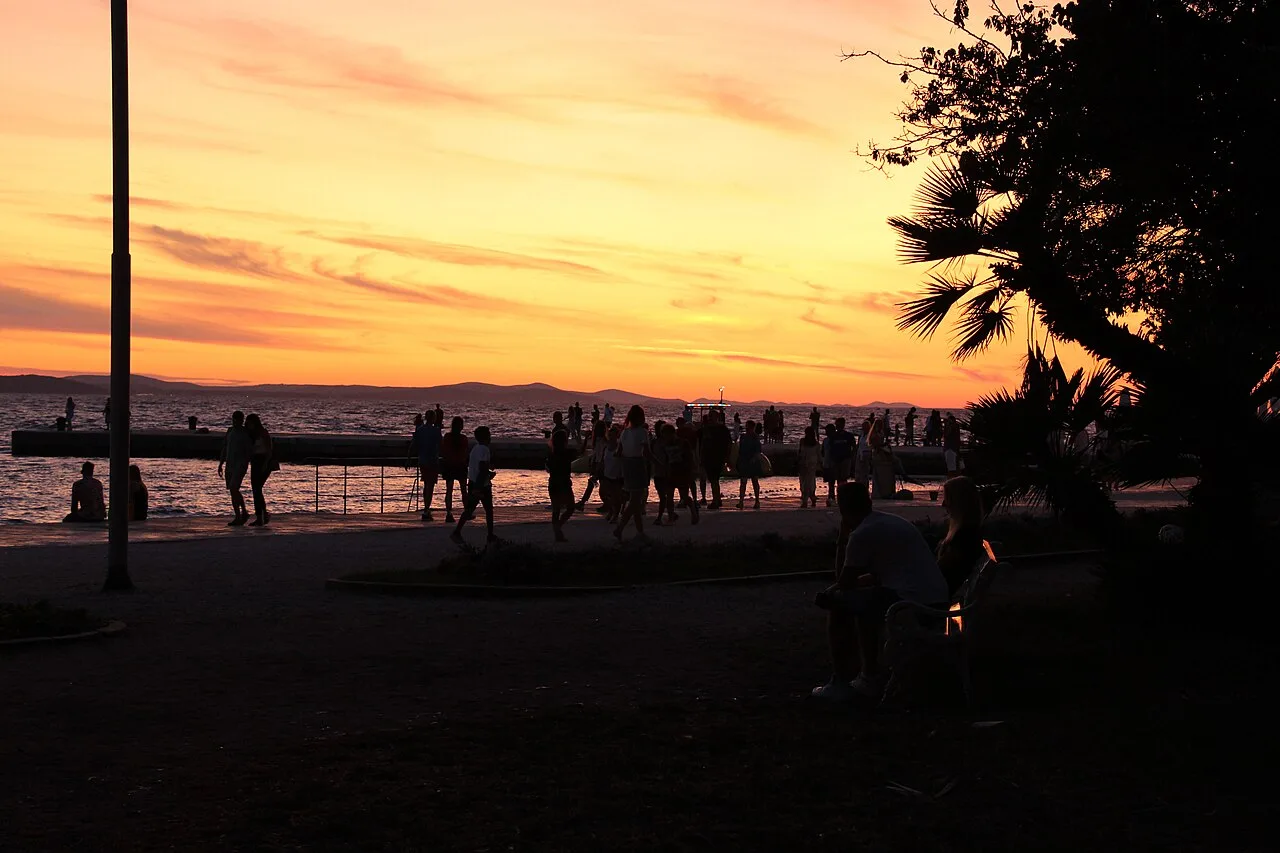
For a first Croatian base, Zagreb is the safest all-round pick and Split is the best coastal one - but the honest answer depends on whether you want predictable rent and a normal workweek, or the sea outside your door and a summer scene. Zadar quietly beats both on community, Rijeka is the value play, and Istria is the lifestyle choice for people who will rent a car. This guide compares the real bases on what actually decides a good month: rent, coworking, seasonality, flights and who each city suits.
I’ve left the euro figures to our Croatia cost of living for digital nomads breakdown so this stays a decision guide, not a spreadsheet. The one number worth keeping in mind up front: the digital-nomad income requirement is a formula (2.5x the average net Croatian salary, re-indexed yearly) and is far higher than what any of these cities actually costs to live in - the full mechanics are in our Croatia digital nomad visa guide.
What actually matters when choosing a base
Before the city-by-city, here’s the filter I would apply, because “prettiest town” is the wrong question for a working stay:
- Rent predictability. Coastal cities flip apartments to weekly tourist lets from late spring, so long-term stock thins and prices spike June to September. Inland Zagreb barely moves.
- Coworking and reliable internet. Home broadband in Croatian cities is generally fine for calls, but always test the actual connection before signing, and a coworking space is the fastest way into the local nomad network.
- Seasonality of the city itself. On the coast, the same town is two different places in July and in February - louder and pricier versus quiet and cheap.
- Flights and logistics. A smaller city can be lovely until you need a winter flight home or a doctor who speaks English.
Keep those four in mind and the ranking below basically writes itself for your situation.
Zagreb: the practical, year-round base
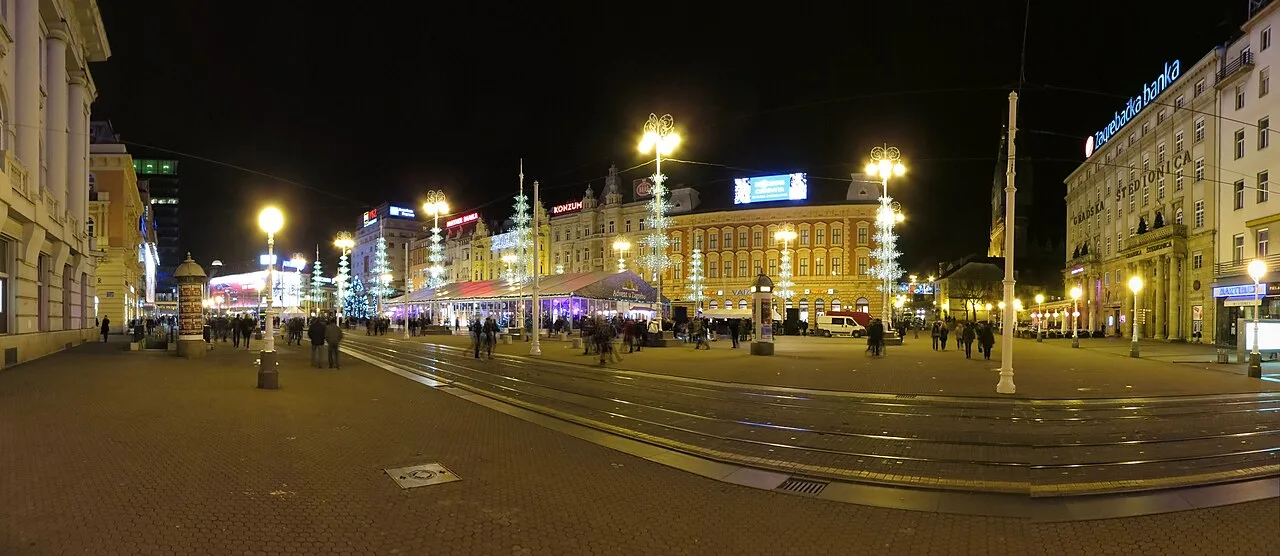
If you want one recommendation and you’re new to Croatia, base in Zagreb. The capital is the country’s only true year-round city: trams, hospitals, government offices for your OIB and residence paperwork, the largest rental market, real winter life and the most predictable rent in the country. It’s not the Adriatic fantasy - and that is exactly why it works. You can run calls, renew documents and keep costs flat without tourism pricing breathing down your neck.
The coworking scene is the most established in Croatia, anchored by spaces such as Impact Hub Zagreb, WESPA Spaces and BIZkošnica, and the café culture makes building a routine easy. Zagreb also consistently ranks near the top of European nomad lists. The trade-off is obvious: no sea, and a grey continental winter. If your whole reason for Croatia is the coast, Zagreb will feel like a compromise; if your reason is a functional, affordable EU base with an airport and a normal life, it’s the strongest pick.
Split: the coastal hub, if you can handle summer
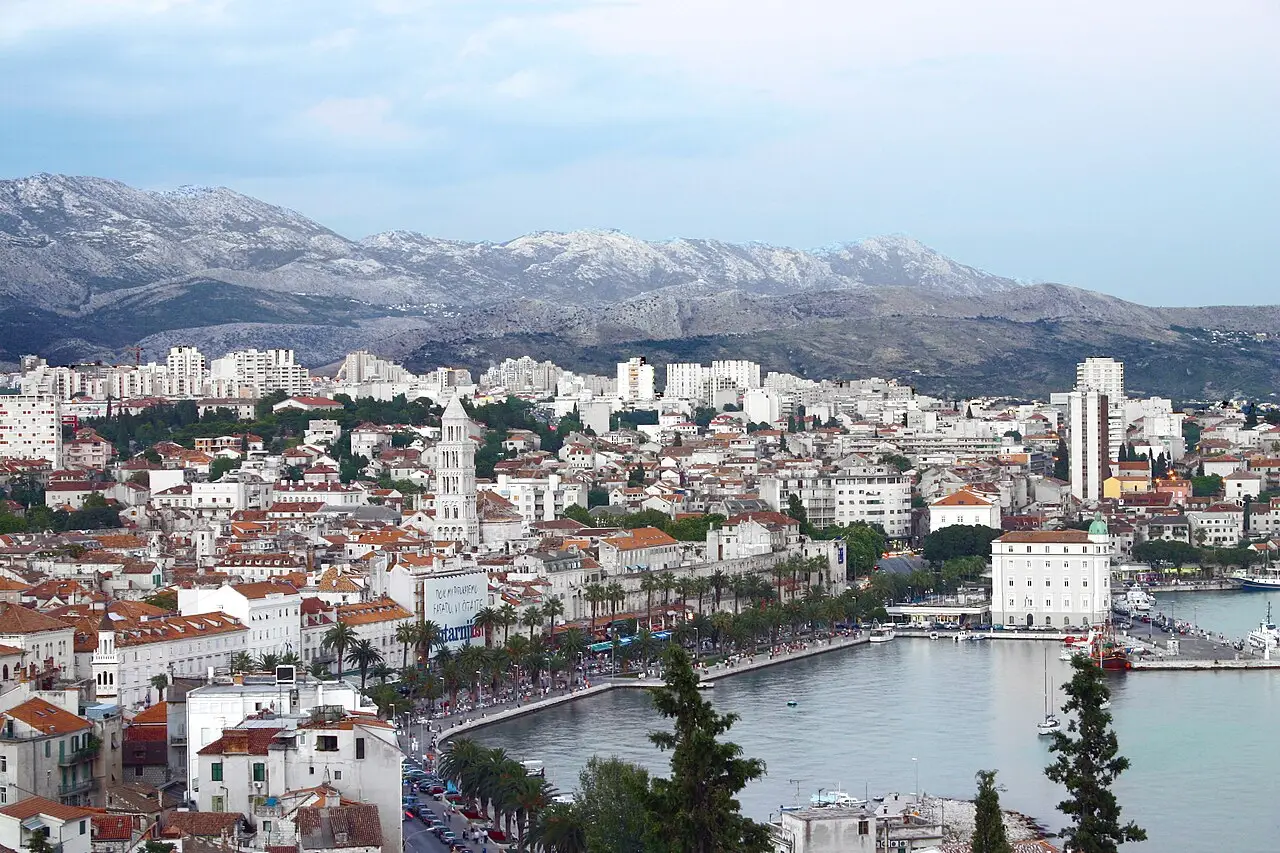
Split is the most popular coastal nomad base for a reason: you get Diocletian’s Palace as your neighbourhood, Marjan’s pine forest for morning runs, ferries to Hvar and Brač at the end of the street, and the biggest international summer scene in the country. The airport is only about 24 km out, and the coworking options are genuinely good - Saltwater (which also runs coliving and community events), The Works near Firule beach, WIP on Žnjan and CoCreative among them.
The catch is one word: seasonality. From June to September, Split runs on tourism - long-term apartments vanish, rents spike, the old town gets loud, and cafés you liked as quiet workspaces fill with visitors. The move that saves a Split budget is timing: sign a lease in autumn or winter, when owners want a stable tenant, and treat a summer-only stay as a travel stint, not a base. The whole residential playbook - which districts to live in, real coworking, and how to dodge the rent trap - is in our living in Split as a digital nomad guide. Base here October to May and Split is close to ideal; arrive unprepared in July and it will feel expensive and packed.
Zadar: the community pick most people overlook
Here’s the sleeper. Zadar is home to Croatia’s first digital nomad village, which means the one thing coastal nomad life usually lacks - a ready-made community - is baked in. Its main coworking space, COIN Zadar, is known for affordable pricing, and the compact, walkable old town gives you the Sea Organ, the Sun Salutation and famous sunsets without Split’s scale of crowds.
Zadar sits neatly between Zagreb’s practicality and Split’s lifestyle: cheaper and calmer than Split, more social and coastal than Zagreb, and central on the Dalmatian coast for island and national-park trips. It still cools off out of season and has fewer direct winter flights than Zagreb or Split, so check your route home. But if your priority is meeting other remote workers while living by the Adriatic, Zadar is the most underrated base in the country and the one I would push a sociable first-timer toward over Split.
Rijeka: the value play for a real city
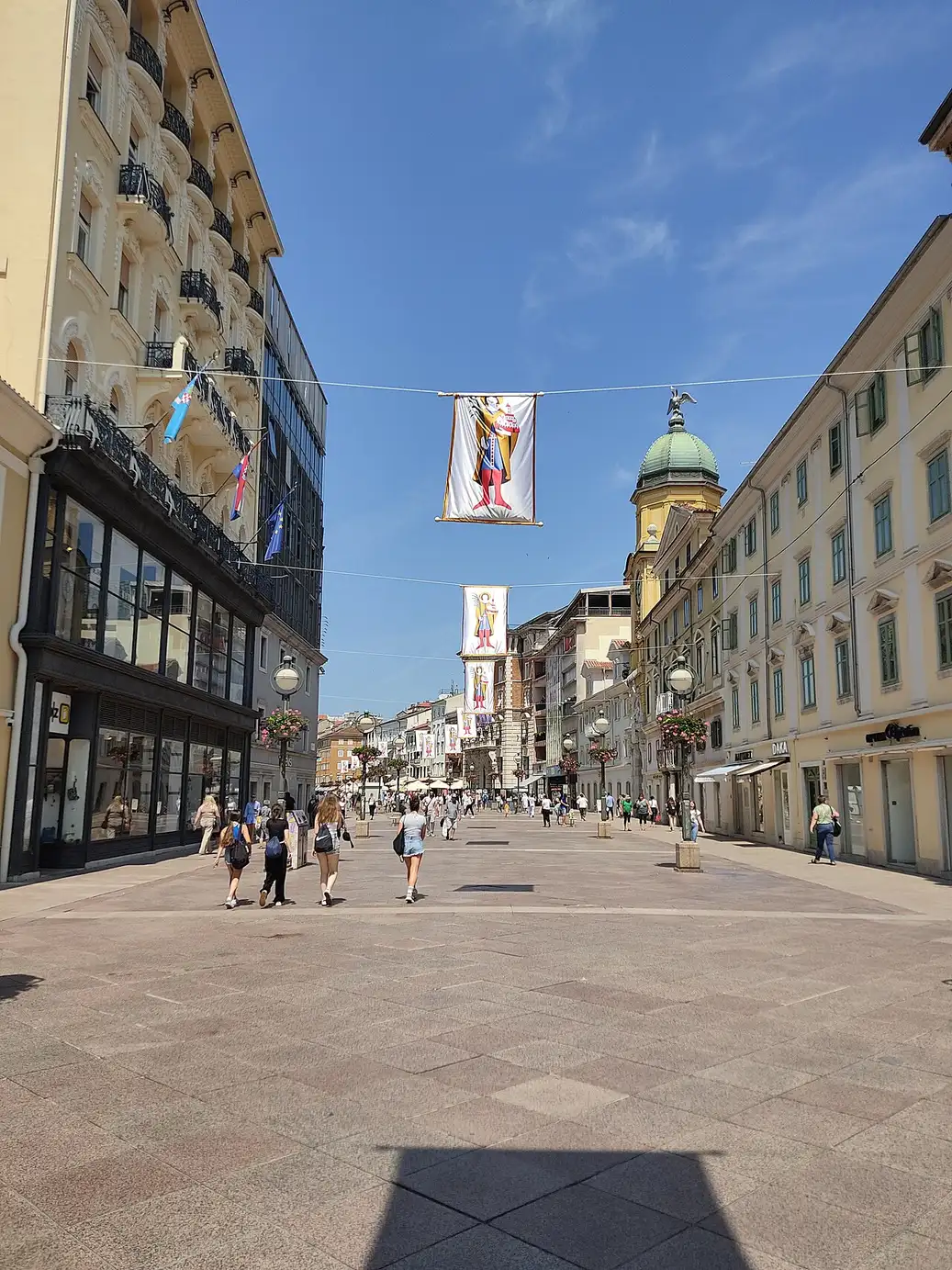
Rijeka is the pick if you want a genuine working city rather than a resort. Croatia’s big port on the Kvarner gulf is cheaper than the Dalmatian coast, distinctly un-touristy, and has a strong arts and festival culture plus a growing coworking scene. It’s also the gateway to the Kvarner islands - Krk, Cres, Lošinj - for weekends, and it’s well connected by road and rail.
The honest caveats: Rijeka has a smaller international nomad community than Split or Zadar, so you’ll build your own social circle more than plug into an existing one, and it’s a working port city, not a postcard - some love that, some don’t. Winter flight access is thinner, so factor in how you will travel. For a nomad who values a normal, affordable Croatian city with the sea nearby and does not need a scene handed to them, Rijeka is quietly one of the best-value bases going.
Istria (Rovinj, Pula, Poreč): the lifestyle choice
Istria is less a single city than a region, and it suits a specific nomad: one who wants food, wine, walkable stone towns and proximity to Italy and Slovenia, and who will rent or bring a car. From here, Trieste, Venice and Ljubljana are all in easy reach for a weekend or a visa-friendly EU hop. Rovinj is the postcard, Pula has the Roman arena and an airport, and Poreč rounds out the coast.
The trade-off is that Istria is dispersed and seasonal - there is no single big coworking hub the way there’s in Split, so this is more of a quiet-base-plus-café-work setup, and towns get busy in peak summer while going sleepy in winter. If you’re choosing between here and Split, the split is clean: Split for community and island access, Istria for a slower, food-led lifestyle with Italy on the doorstep. Our Istria coverage, from Rovinj to Pula, gives a feel for the towns before you commit.
And Dubrovnik? A splurge, not a base
Dubrovnik is stunning and a poor value base. It’s the most expensive city in Croatia, heavily tourist-saturated, and short on coworking, and it’s awkwardly cut off from the rest of the country by the coastal geography (you cross into and out of the Neum corridor, now bridged by the Pelješac bridge). For a short, high-budget splurge month it can be magical; as a place to keep rent sane and settle into a routine, it’s the weakest of the mainstream options. Treat it as a trip, not a home.
So which Croatian city should you choose?
To cut straight to it:
- First base, predictable cost, year-round life - Zagreb.
- The sea, island access and the biggest community, and you’ll base October to May to dodge the rent trap - Split.
- Coastal life plus a ready-made community, calmer and cheaper than Split - Zadar.
- A real, affordable working city off the tourist track - Rijeka.
- Food-and-wine lifestyle, walkable towns, Italy next door, car-friendly - Istria.
- A short splurge, not a value base - Dubrovnik.
Whichever you pick, the practical setup is the same: book two to four weeks of flexible accommodation first, get an eSIM for arrival week, view long-term places in person before paying a deposit, and drop into a coworking space early to test the internet and meet people. If you’re past the rental stage and weighing a purchase, our buying property in Croatia as a foreigner guide maps the EU vs non-EU rules before you sign. Verify current coworking rates directly, because they change and some spaces scale back out of season. And don’t confuse the income the visa requires with what the city actually costs - the two numbers live in different worlds, which is exactly why the cost of living and visa guides are worth reading side by side, along with the insurance a permit requires.
City coworking options, prices and flight routes change over time; details checked 6 July 2026. Verify current coworking rates and cost figures with the linked sources before you commit.
Photos
Read also

Relocation · 13 min read
Buying Property in Croatia as a Foreigner
Verified · August 24, 2026Can foreigners buy property in Croatia? EU and non-EU buyers follow different rules. Reciprocity, taxes, costs and the purchase steps, checked August 2026.

Relocation · 10 min read
How to Open a Bank Account in Croatia as a Foreigner
Verified · July 6, 2026Open a Croatian bank account as a foreigner: OIB first, resident vs non-resident accounts, documents, the new free basic account and Wise. Checked 2026.

Relocation · 10 min read
Croatia Residence Permit Types for Non-EU Foreigners
Verified · July 6, 2026Croatia residence permit types for non-EU citizens in 2026: temporary vs permanent, the legal grounds, EU Blue Card, study and family routes. Checked 2026.

Relocation · 10 min read
Living in Split as a Digital Nomad
Verified · July 3, 2026Living in Split as a digital nomad: the best neighbourhoods to base in, real coworking spaces, the summer rent trap and how the visa income rule works.