
Croatian Wine Guide: Regions, Grapes & Tastings
Croatian wine explained: Plavac Mali and Dingač, Istrian Malvazija, Slavonian Graševina, the Zinfandel link, and how to taste it on the wine roads.
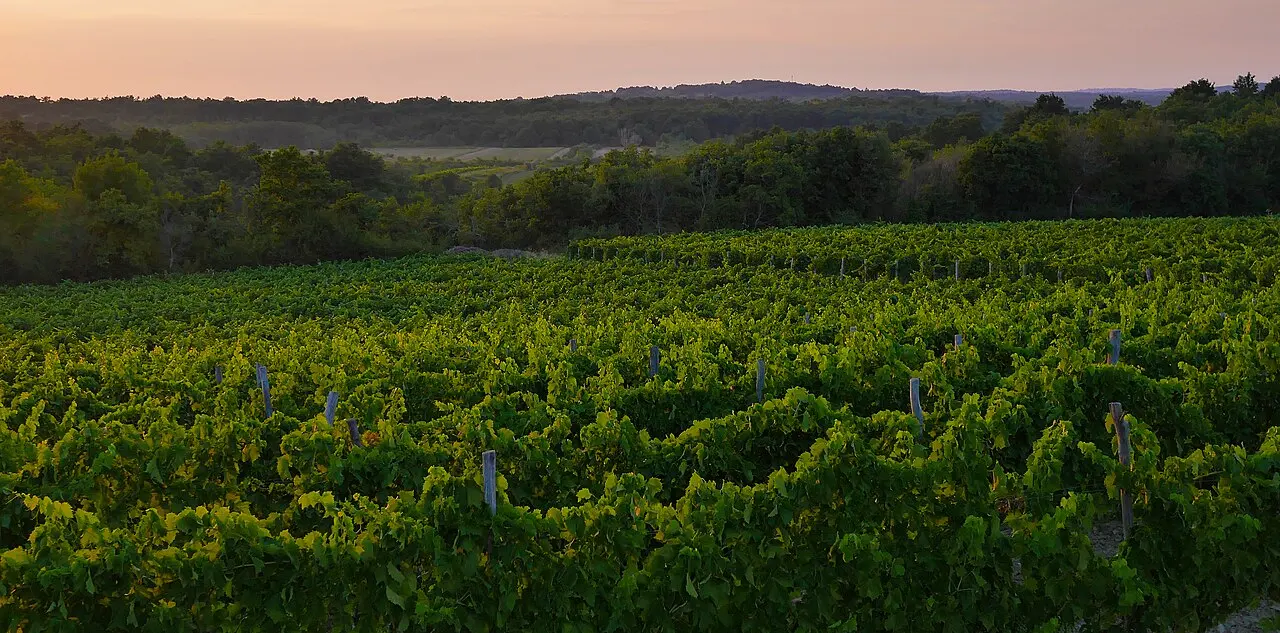
Croatia makes serious wine from grapes you’ve almost certainly never drunk, and it’s best and cheapest on its own turf. The country has more than 120 native varieties and four distinct wine regions, but three names do most of the work: Plavac Mali, the big Dalmatian red; Malvazija Istarska, the fresh Istrian white; and Graševina, the workhorse white of the inland east. Learn those three and you can order well anywhere in the country. This guide runs through the regions, the grapes worth seeking out, the surprising link to California Zinfandel, and how to taste it all without wasting a day.
The one thing to know before you start: most of Croatia’s wine is white, most of its best reds come from the sun-baked Dalmatian coast, and the good stuff comes from small family cellars rather than supermarket shelves.
Four regions in one glance
Croatia splits into four wine regions, and they make very different wines. Dalmatia, the coast and islands, is red-wine country - powerful, sun-driven Plavac Mali and a scatter of rare island whites. Istria and Kvarner in the northwest is Croatia’s gourmet corner, all crisp Malvazija and dark Teran, eating and drinking more like northern Italy. The Croatian Uplands around Zagreb, cooler and greener, do fresh whites and sparkling. And Slavonia and the Croatian Danube in the flat east is the country’s white-wine engine, built on Graševina. Winemaking here’s old: the Ancient Greeks were planting vines on the islands of Vis and Hvar around the 5th century BC.
Plavac Mali and the Zinfandel secret
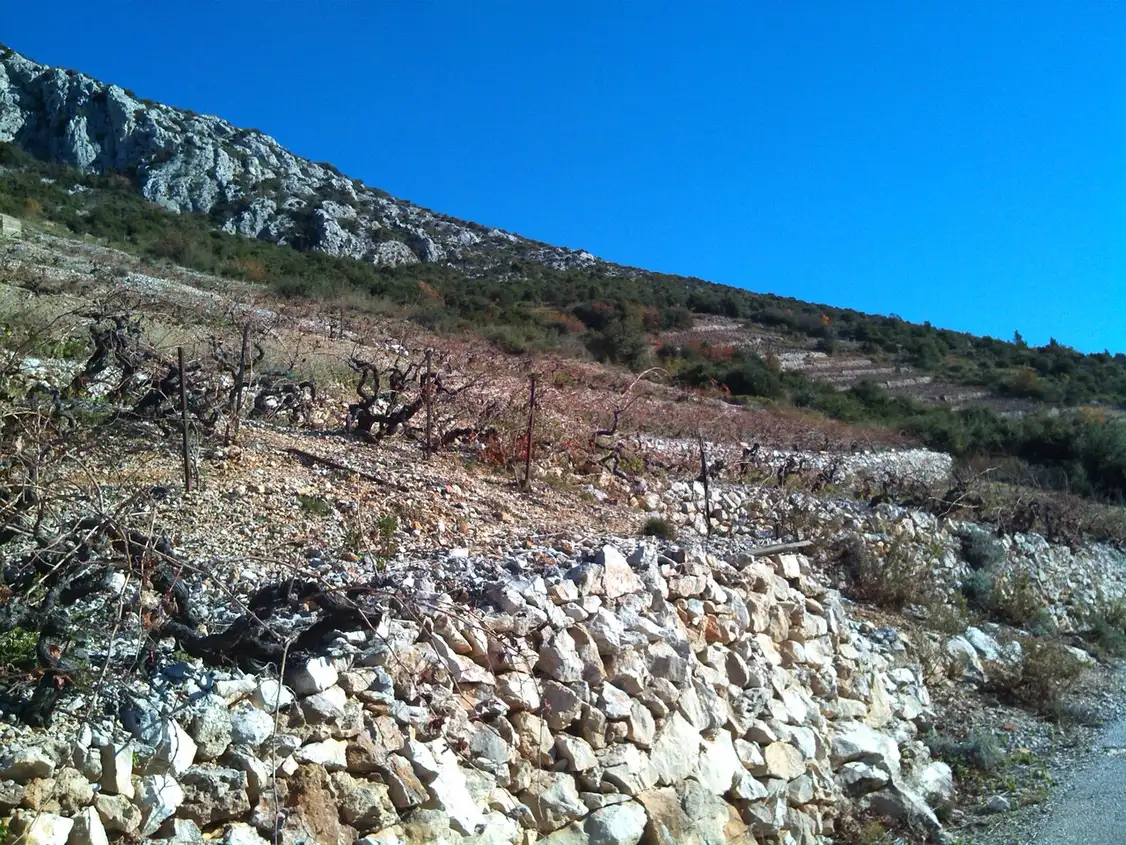
The red to know on the coast is Plavac Mali (“small blue”). It’s dark, high in tannin and alcohol, with black cherry and dried-fig fruit, and it stands up to grilled meat and the slow-braised beef dish pašticada. Its greatest wines come from two tiny appellations on the Pelješac peninsula: Dingač and its neighbour Postup, where the vines cling to absurdly steep, south-facing slopes and bake in sunlight reflected off the sea. Dingač was Croatia’s first protected wine region, back in 1961 - the country took this grape seriously long before the rest of the world noticed.
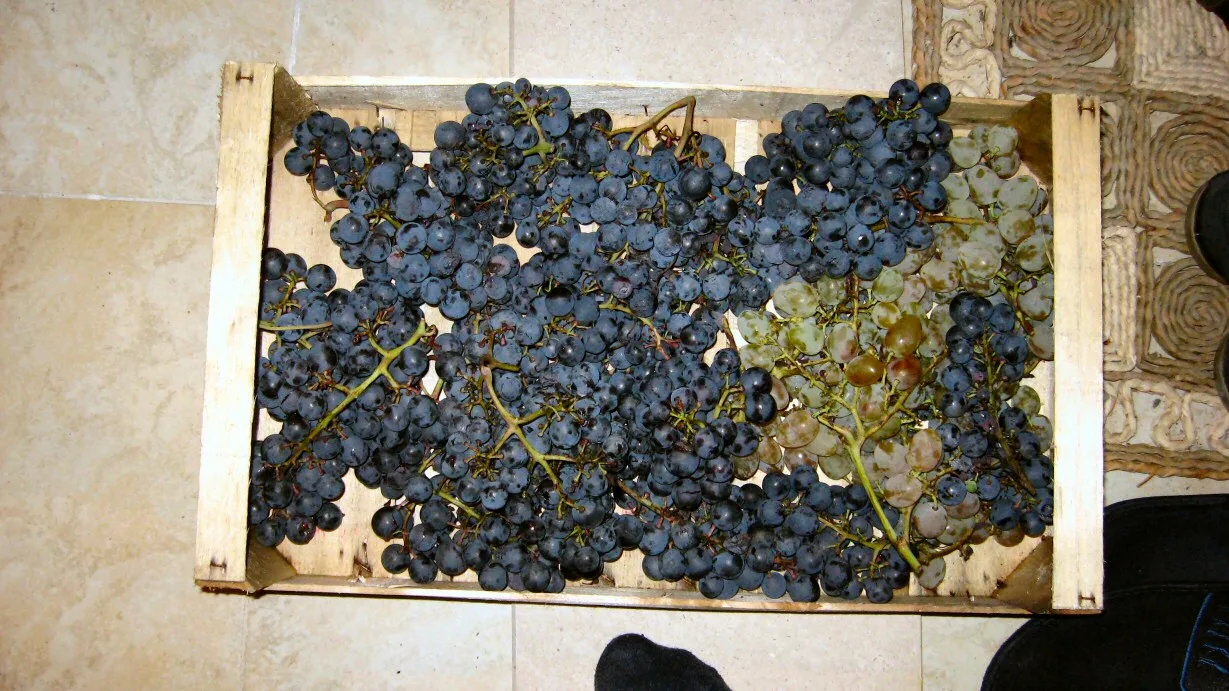
Here’s the fact that turns a tasting into a conversation. For years Californians argued about where their Zinfandel came from. In 2001, DNA research at the University of California, led by Carole Meredith, settled it: Zinfandel is genetically identical to an old Croatian grape, Tribidrag (also called Crljenak Kaštelanski), the same variety Italy grows as Primitivo. And Tribidrag turned out to be one of the parents of Plavac Mali. So the muscular Californian red has its roots on this coast, and when you drink Plavac you’re drinking Zinfandel’s Croatian family. Ask a winemaker about it and you’ll not get a short answer.
Istria: Malvazija and Teran
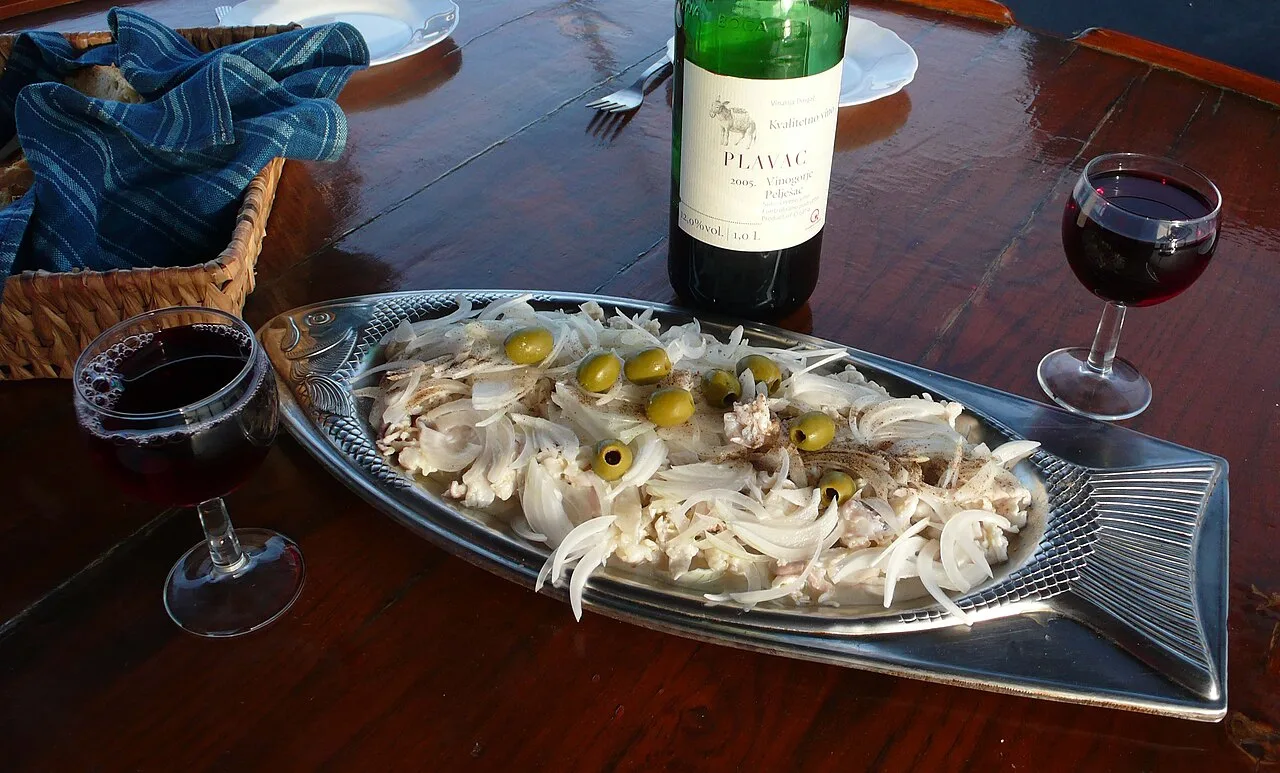
Cross to the Istrian peninsula in the northwest and the wine changes completely. The white to order is Malvazija Istarska, Istria’s flagship and Croatia’s second most-planted grape, filling by some counts two-thirds of the region’s vineyards. It is fresh, fruity and mineral, grown on the red iron-rich terra rossa soil, and it’s the natural match for Istrian truffles and Adriatic fish. Some producers age it in acacia wood for a richer, nuttier style worth trying side by side with the fresh version.
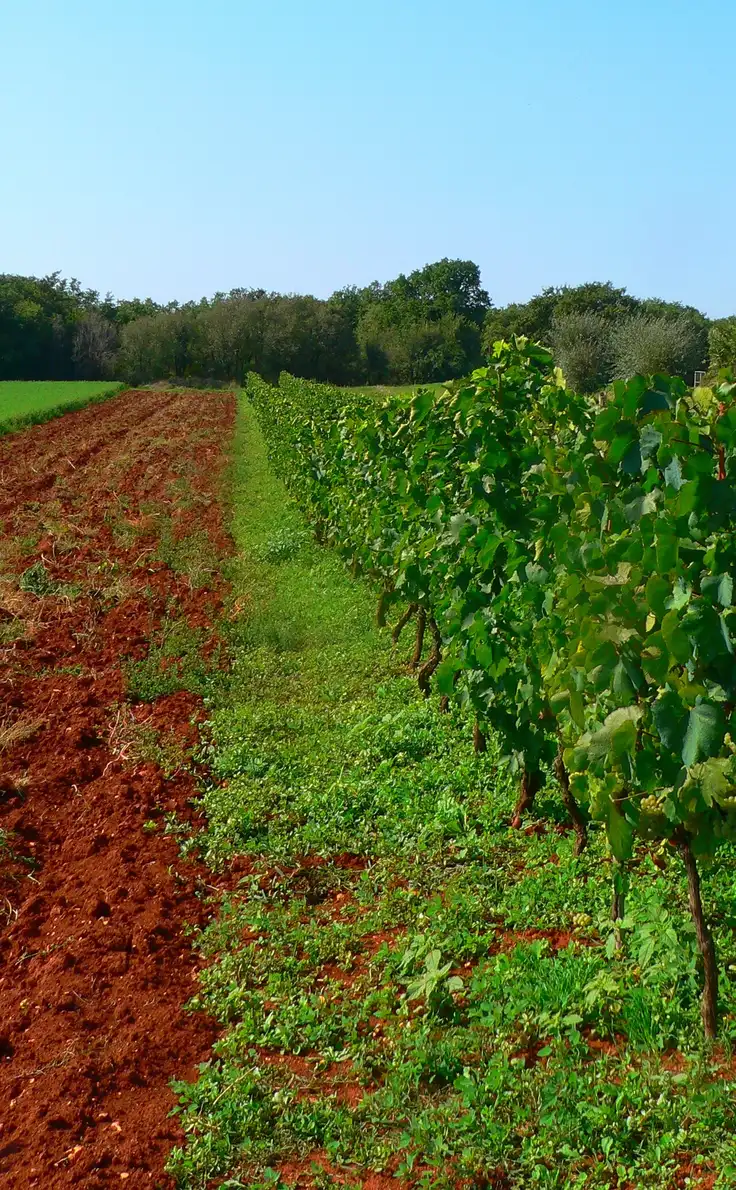
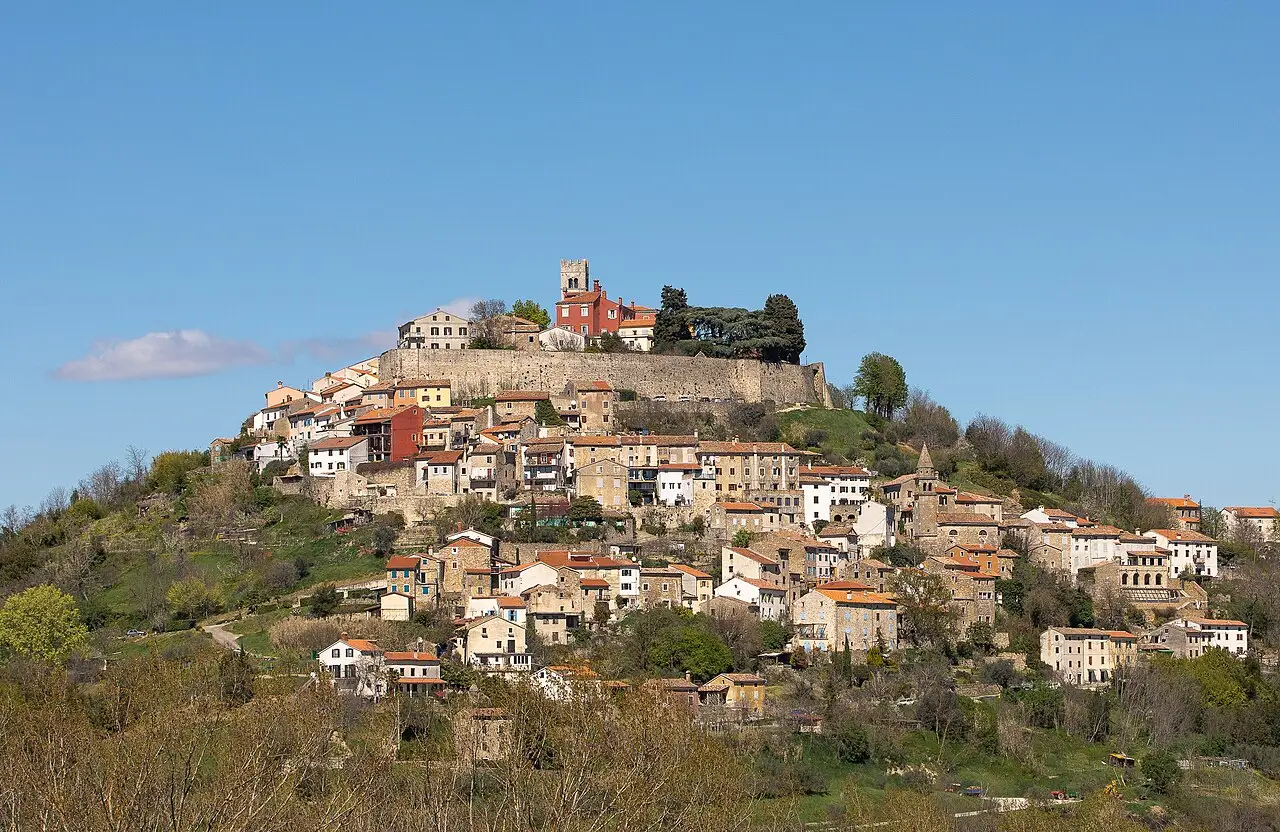
Istria’s red is Teran, a dark, high-acid native with a wild, iron-and-berry character that splits opinion - try it with a plate of local ham and you’ll understand it better. The pleasure here’s the Istrian wine road: a string of small hill-town cellars around Motovun, Momjan and Buje where you taste for a few euros, often with the family who made the wine. It pairs naturally with the food, so read it alongside our Istria travel guide.
Slavonia and the inland whites
Head inland and east, over the mountains to the flat farming country of Slavonia, and the star is Graševina (known elsewhere as Welschriesling). It’s Croatia’s most-planted grape by a distance - around a fifth of the whole country’s vines - and its heartland is Kutjevo, where it has been made since medieval monks planted the first cellars. At its best it is light, dry, fresh and food-friendly everyday drinking; the same grape also makes serious late-harvest sweet wines. It costs little and goes with almost anything, which is why you see it on every inland table.
The cooler hills of the Uplands around Zagreb, especially Plešivica, are Croatia’s quiet sparkling-wine corner, worth a detour if you’re near the capital. Neither Slavonia nor the Uplands sees many foreign visitors, which is part of the appeal: prices undercut the coast, and the cellars are often empty enough for a proper chat with the winemaker.
The islands: Pošip, Grk and the rarities
Back on the coast, the Dalmatian islands grow whites you’ll struggle to find anywhere else. Korčula is the one to know: its flagship Pošip is a full-bodied, aromatic dry white grown in the inland villages of Čara and Smokvica, and the rare Grk, made in tiny quantities around Lumbarda, barely leaves the island. Our Korčula island guide covers the cellars. Elsewhere, Vis has the ancient Vugava, Hvar its Bogdanuša, and the coast around Šibenik its Debit and Maraština. None of these travel well, so the islands are the place to drink them.
How to taste it: wineries and wine roads
Croatian wine tourism is refreshingly low-key. Most producers are small, family-run cellars, and a tasting is relaxed and cheap, usually poured by the person who made it and served with a plate of pršut and cheese. The catch, and the tip that saves a wasted drive, is that many small wineries want you to call or book ahead, especially outside July and August when some only open on request. Do not just turn up at a farm gate and expect a cellar door.
The rewarding routes to drive are the Pelješac peninsula for Dingač and Postup, the Istrian wine road around Motovun, and Korčula for Pošip. One firm piece of advice: Croatia’s drink-drive limits are strict and enforced, so on a tasting day use a designated driver or a guided tour. A wine tour also gets you into cellars that are hard to reach or visit-by-appointment only, which is often where the best wine is. Expect to pay only a few euros for a flight of several wines, and to come away with a bottle or two you simply can’t buy back home. Spring and early autumn, either side of the harvest, are the nicest times to visit, when the cellars are working and the crowds are thin.
Rakija, Prošek and two things not to muddle
Two more drinks belong on the table. Rakija is the fruit brandy offered as a welcome or a digestif - grape loza, herbal travarica, plum šljivovica - and homemade versions can be fierce, so sip rather than shoot. And in Dalmatia you’ll meet Prošek, a traditional sweet dessert wine made from dried grapes. Don’t confuse it with Italian Prosecco: the two are completely different drinks (Prošek is sweet and still), and the similar name is the subject of a long-running EU dispute. Order Prošek with figs or almond cake at the end of a meal.
Wherever you drink, this is a country that rewards curiosity - the more obscure the grape on the list, the more likely it’s to be good and cheap. Pair the wine with the food in our guide to what to eat in Croatia, and if you’re basing yourself in Dalmatia, our Split guide is a handy launch point for the Pelješac and island cellars. Croatia uses the euro, cards are widely taken at wineries, and green markets and specialist wine shops carry a far wider choice than any supermarket. A good bottle to take home costs a fraction of what it would abroad.
Opening hours, prices, timetables and seasonal services change through the year - the figures here are planning estimates, not quotes. Confirm current details with the operators and official sources before you go.
Photos
Read also

Food · 14 min read
Truffle Hunting in Istria: Tours, Season & What to Expect
Updated · September 3, 2026Istria truffle hunts: the legal collecting window for each species, how a hunt runs, real prices from 15 EUR, the 2026 fair dates and truffle prices.

Food · 12 min read
Where to Eat in Split: Best Konobas & Local Restaurants
Updated · July 31, 2026Where to eat in Split: family konobas in Varoš, the late-morning marenda, how fish is priced by the kilo, the two markets and who closes on Sundays.

Food · 9 min read
Peka: Croatia's Under-the-Bell Dish & Where to Try It
Updated · July 23, 2026What Croatian peka is, how to order it (2-24 hours ahead, minimum two people), what it costs, and which konobas across Dalmatia still cook it.

Food · 13 min read
What to Eat in Croatia: Food & Wine Guide
Updated · July 31, 2026What to try in Croatia: peka, pašticada, black risotto, buzara, brudet, Pag cheese, pršut, Istrian truffles, štrukli, plus Plavac Mali and Malvazija wine.