
Martinje: St Martin's Day & Young Wine in Croatia
Martinje, 11 November, is when Croatia baptises the new must into young wine. Where to go from Zagreb in 2026, what to order, how to get back.
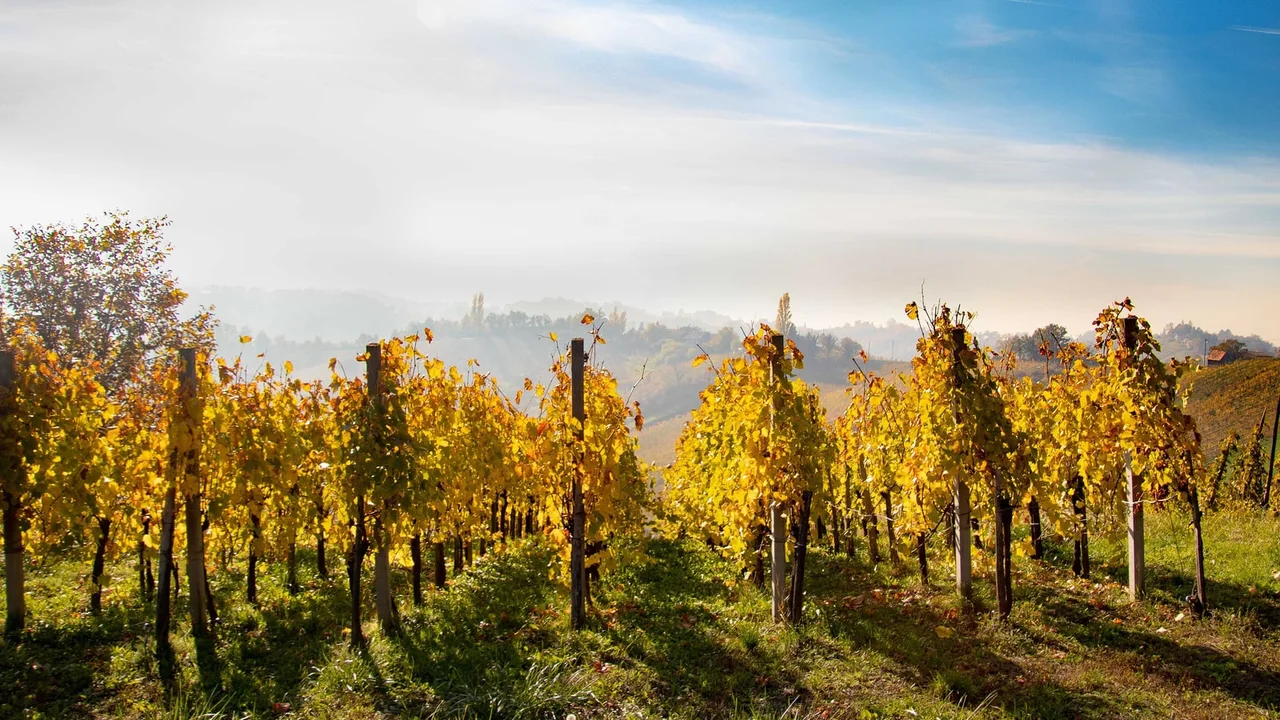
Martinje is St Martin’s Day, 11 November, when the wine country of continental Croatia “baptises” the new must into young wine, with a mock bishop, a comic blessing and roast goose with mlinci on the table. In 2026 it falls on a Wednesday, an ordinary working day, so expect most of the public parties on the weekends either side, 6-8 and 13-15 November. From Zagreb the best of it is a short train or bus ride away, and the one thing you’ll want sorted before the first glass is how you’re getting home.
Don’t expect one national festival. Martinje is a dozen or so small ones: a town square in Jastrebarsko lined with Plešivica winemakers, a sports hall in Dugo Selo where around fifteen wine bishops were billed in 2025, a goulash contest on the banks of the Mura, a sweet Muscat blessing in a small Istrian town. When we last checked, on 2 October 2026, three of the organisers had published their 2026 dates; the rest follow a rhythm that repeats every year and is steady enough to plan a November trip around.
How a must gets baptised
St Martin of Tours was buried on 11 November 397, and European tradition made him the patron of winemakers. By his feast day the must, the cloudy, still-fermenting juice of the harvest, is ready to be declared wine, symbolically at least, and the north of Croatia marks the change with a ceremony that’s half church service, half courtroom farce.
The cast matters. A wine bishop presides, with his altar boys. A table master, usually the host, keeps order. A cellar master pours. A godfather and godmother stand for the new wine. And there’s a judge, gospon sudec, the only person in the room whom everyone must address formally; the rest are pajdaši, drinking companions, and on first-name terms. First the must is examined to see whether it’s ready. Then comes the rite, in the Kajkavian dialect of the north. A wine bishop from Pitomača, who has done the job some two hundred times, gave the local paper icv.hr his version: he christens the must “in the name of Bacchus, father of wine, and of Martin, his son” and adds a pinch of salt “so that nobody ever gets a headache from you”. After that the songs start and the goose comes out.
It looks ancient, and parts of it are. The Croatian Encyclopaedia traces the parody to the Martinsfeier of the feudal nobility and to a Germanic folk custom of blessing wine on the feast of St John the Evangelist, which in north-western Croatia found expression on St Martin’s day; written “rules” for the ceremony are known from the 19th century. The public version on a town square is younger. Ethnologist Lidija Bajuk of Zagreb’s Institute of Ethnology and Folklore Research dates must baptism as a folk event to the 19th century in the north-west, and says other wine regions only took it up towards the end of the 20th. Worth remembering when a poster far from Zagorje calls its ceremony centuries old.
One more piece of vocabulary: around Zagreb and in Zagorje the day is Martinje, while in Istria and on the Kvarner coast you’ll see Martinja.
Wednesday, 11 November 2026: which days to aim for
Martinje isn’t a public holiday. Shops, offices and museums keep normal hours on 11 November; the holidays nearby are All Saints on 1 November and Remembrance Day on 18 November, a day of mourning for Vukovar and Škabrnja.
So towns don’t all pick the same day. In 2025, when 11 November was a Tuesday, Samobor held its Martinje on the day itself, Sveta Nedelja and Velika Gorica went for the Friday before, Sveti Ivan Zelina for the Saturday, Dugo Selo for the whole weekend, with the baptism on the Sunday, and Jastrebarsko for the weekend after. Expect a similar spread in 2026, with most events on 6-8 and 13-15 November and a handful on Wednesday the 11th. When we checked again on 2 October 2026, three of the towns in the table below had published 2026 dates: Kutjevo’s tourist board had announced 7-8 November, Sveti Ivan Zelina’s listed a Martinje breakfast on Ante Starčević Square on Saturday 7 November, and the Istria tourist board’s calendar had Momjan celebrating from 11 to 15 November 2026.
| Town | Region | 2025 edition (pattern, not 2026 dates) | From Zagreb |
|---|---|---|---|
| Velika Gorica | Turopolje | Fri 7 Nov, baptism 11:30 outside the Turopolje Museum | 20 km; train 14-21 min |
| Samobor | Zagreb County | Tue 11 Nov, Brenta association, Ferde Livadića 9 | 24 km; Samoborček bus |
| Dugo Selo | Zagreb County | Fri 7 - Sun 9 Nov, baptism at the Sunday concert, free entry | 26 km; train 19-33 min |
| Sveti Ivan Zelina | Zagreb County | Sat 8 Nov from 11:00, Ante Starčević Square | 40 km |
| Jastrebarsko | Plešivica | Sat 15 Nov, 17:00-22:00, Strossmayer Square | 36 km; train 31-54 min |
| Sveti Martin na Muri | Međimurje | 7-11 Nov, goulash contest Sat 8 Nov | 123 km |
| Kutjevo | Slavonia | 7-8 Nov 2026, confirmed, Graševina Square | 201 km |
| Momjan | Istria | 11-15 Nov 2026, confirmed | 262 km |
Distances are by road from central Zagreb; train times are the range on the HŽPP timetable for 7-15 November 2026.
The ring of wine towns around Zagreb
If you’re based in the capital, the Martinje that matters is 20-40 km out, in the towns ringing the city. Our Zagreb guide covers where to stay; everything below is a day or an evening out from there.
Samobor and the Brenta association
Samobor held its 2025 Martinje on 11 November itself, a Tuesday, at the premises of Brenta, the Samobor winegrowers’ association, on Ferde Livadića, organised with the county and the town tourist board. In 2024 the same place went for the Sunday before, 10 November, from 17:00, so check which day it picks for 2026. The last bus back leaves Samobor at 23:00 on weekdays and 22:30 on Saturdays. Samoborček buses run from Zagreb’s main bus station, on the timetable in force since 7 September 2026. If Samobor keeps to the 11th this time, that’s a Wednesday, with the 23:00 as your deadline.
Jastrebarsko and the Plešivica hills
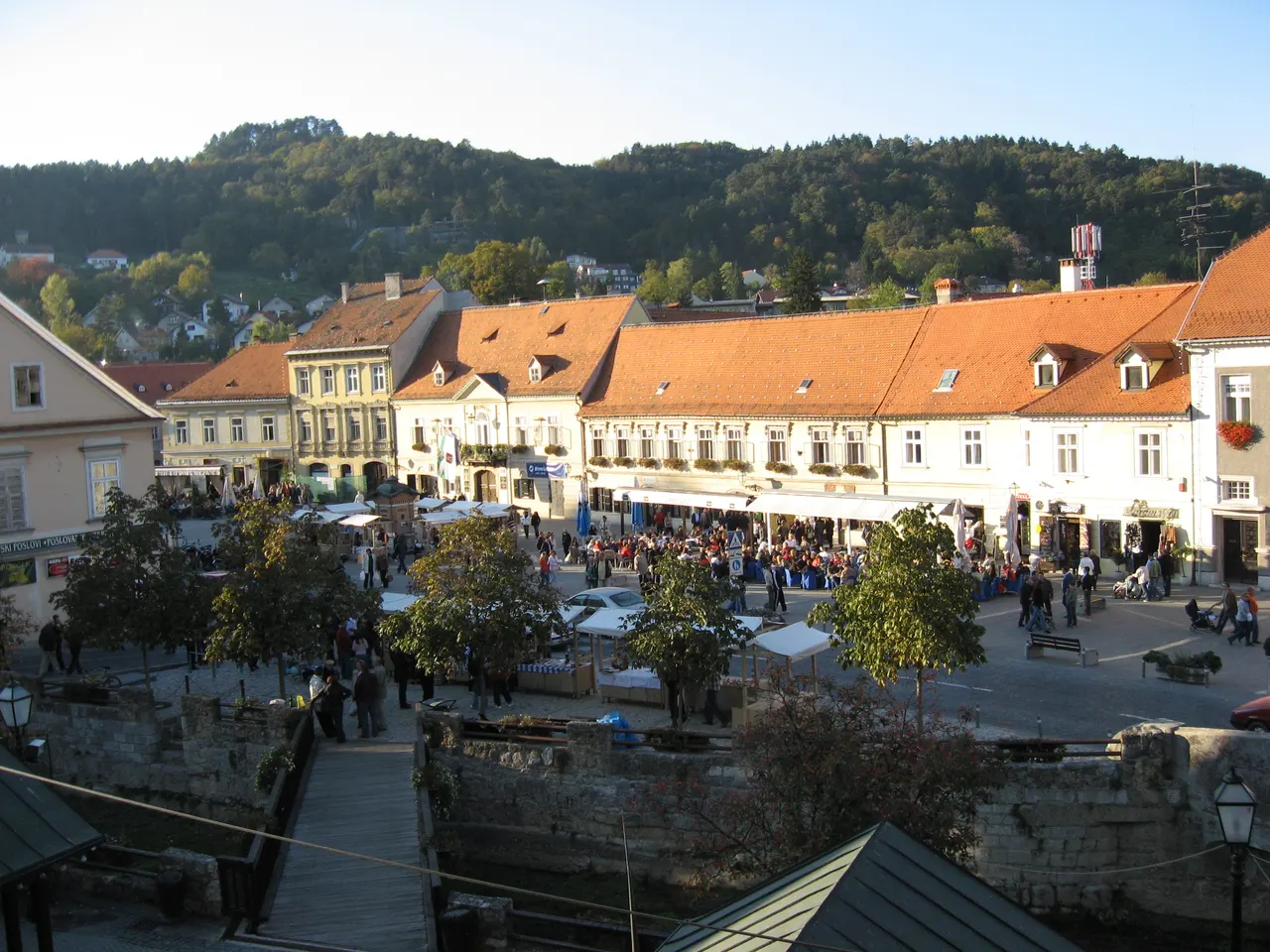
Plešivica, the hill country above Jastrebarsko, is the Zagreb area’s own wine region: sparkling wine (Jastrebarsko hosted a Sparkling Wine Fest the weekend before its own Martinje in 2025), and portugizac, a young red with a purple sheen that the local tourist board calls the trademark of the hills, since almost every grower makes one. In 2025 Strossmayer Square had Plešivica winemakers, chestnuts and a food truck, and the main evening ran 17:00-22:00 with the must baptism at its centre.
A 22:00 finish like 2025’s comes a minute after the last train back to Zagreb leaves Jastrebarsko, at 21:59 (train 4063 from Ogulin, into Zagreb Glavni Kolodvor at 22:37), and the station is 2.3 km from the square, about a half-hour walk, so leave the square by 21:20 to catch it. Samoborček’s line 260/264 bus to Savski most in Zagreb goes later on weekdays, at 22:20, and on Sundays and holidays, at 22:15, from its Cvetković terminus, about 2 km south-west of the square; on Saturdays its last run, at 21:40, leaves before the train (timetable in force since 7 September 2026, checked on 2 October 2026). The timetable names a stop on the main square, Štrosmajerov trg, only for its express runs, so check with Samoborček’s office in Jastrebarsko on +385 1 6272 629 whether the late bus stops there too; if not, allow about half an hour to walk to Cvetković. If you can’t make either, plan on a taxi. Engineering work sometimes closes the railway near Jastrebarsko during the day, with buses replacing trains; nothing had been announced for November by late September 2026, but check hzpp.hr the week you go. The wineries aren’t clustered around the square either; they’re spread over the hills, so a cellar-to-cellar afternoon needs someone sober behind the wheel.
Dugo Selo, Velika Gorica and Zelina
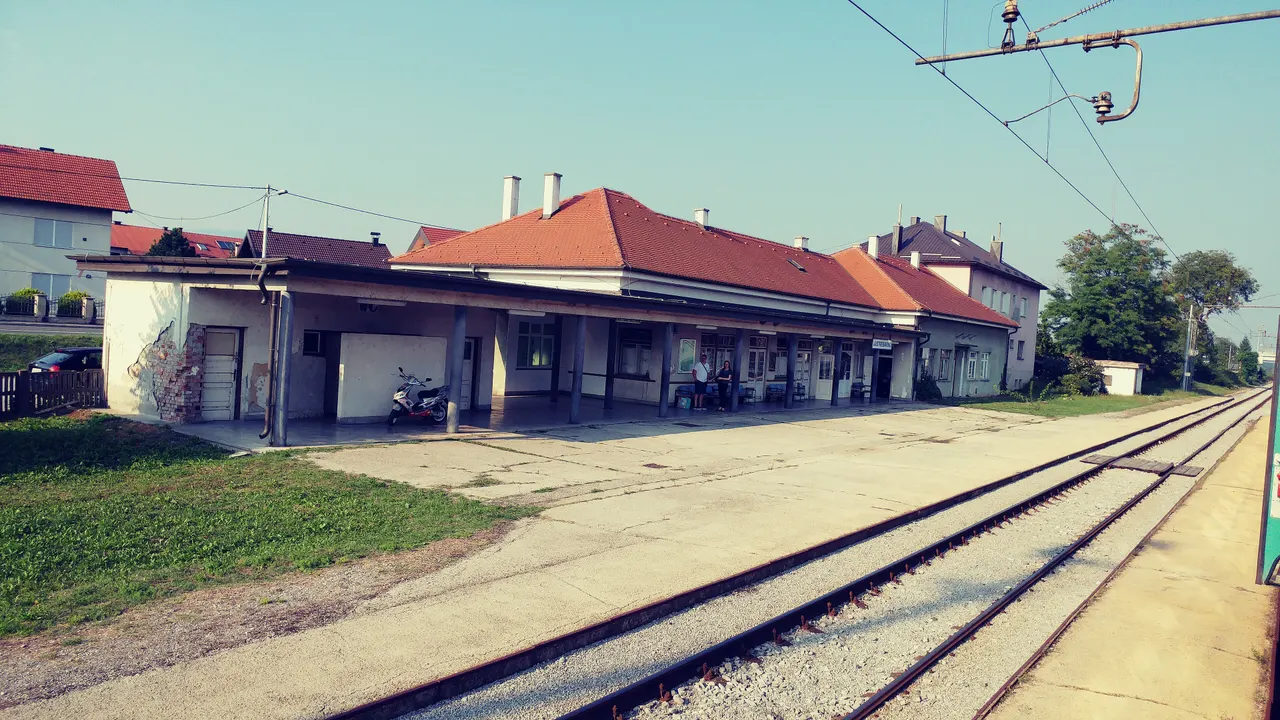
Dugo Selo treats Martinje as its town day. St Martin is its patron, the ruined old church on the Martin Breg hill is his, and in 2025 the festivities filled three nights in the sports hall with free entry, ending on the Sunday with KUD Preporod, a folk ensemble more than a hundred years old, and around fifteen wine bishops baptising the must together. Trains from Zagreb take 19-33 minutes and don’t stop early.
Velika Gorica, next to the airport, didn’t wait for dark: its 2025 baptism was at 11:30 on a Friday, outside the Turopolje Museum, with around ten masters of the ceremony tasting the young wine first. And Sveti Ivan Zelina, 40 km north-east, ran “Martinje na zelinskom placu” on Ante Starčević Square in 2025; its own native white is kraljevina.
Further out: Međimurje, Slavonia and Istria
Sveti Martin na Muri
The village named after the saint sits in Croatia’s far north, on the Mura, and St Martin is patron of both parish and municipality. In 2025 its Martinje ran from 7 to 11 November: a lantern procession with “Romans” and St Martin on horseback on the Friday evening, a wine goulash cooking contest by the river on Saturday followed by the must baptism, and free roast goose and chestnuts after mass on the 11th. A free tourist train ran from the Sveti Martin spa to the village on the Saturday afternoon. At 123 km from Zagreb, it’s a weekend with a room booked, not a day trip.
Kutjevo
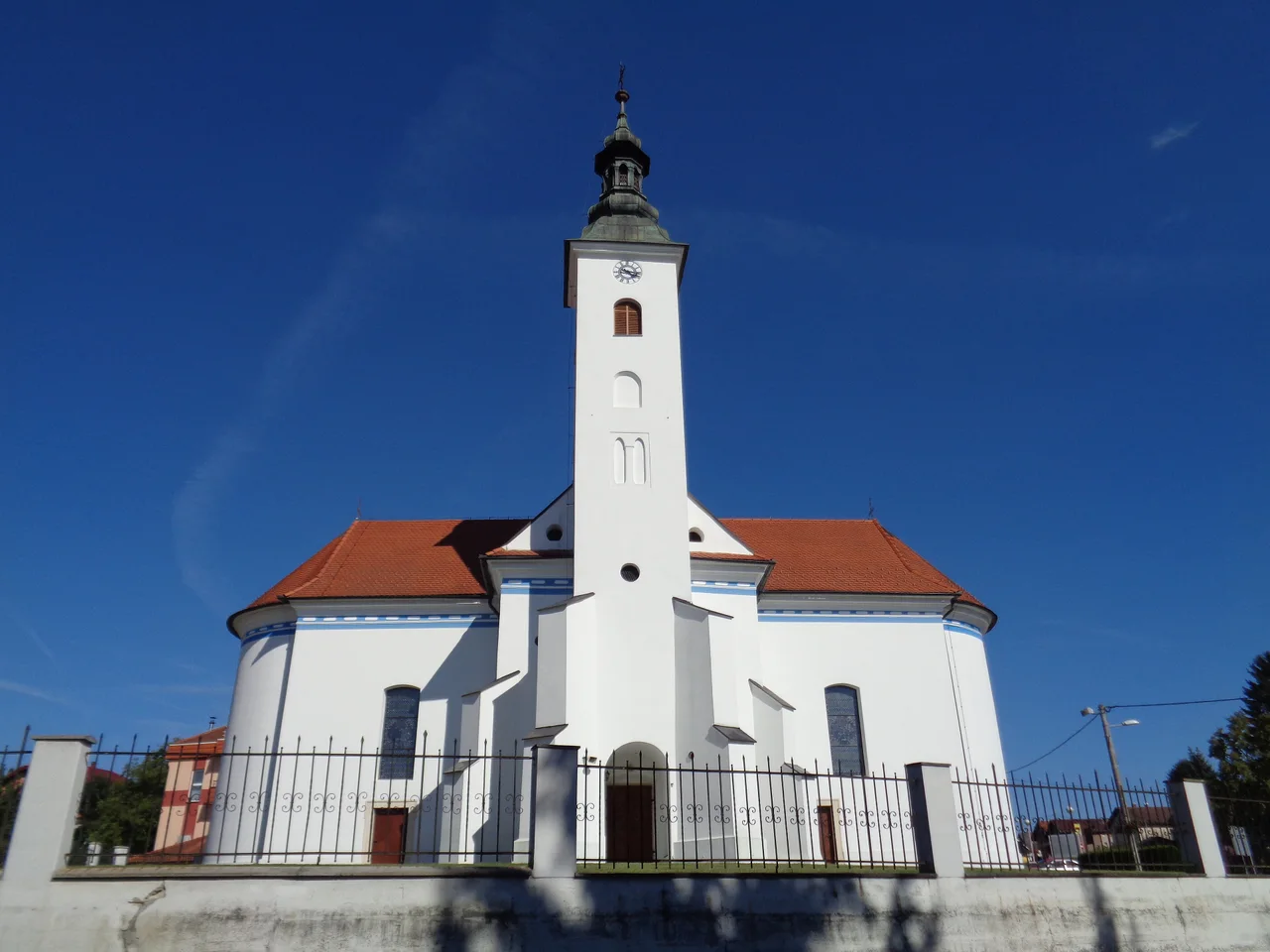
In Slavonia, Kutjevo calls itself the capital of graševina. Its tourist board put out the 2026 programme on 2 October: on Saturday 7 November seven Kutjevo wineries open their cellars, with visits at 14:00, 16:00 and 18:00, and on Sunday 8 November Graševina Square has a guided hike at 10:00, the Martinje fair from 12:00, carriage rides at 13:00 and the wine bishop, who arrives at 13:45 for the ceremony. It’s 201 km from Zagreb, so pair it with a night in the region.
Momjan, Istria
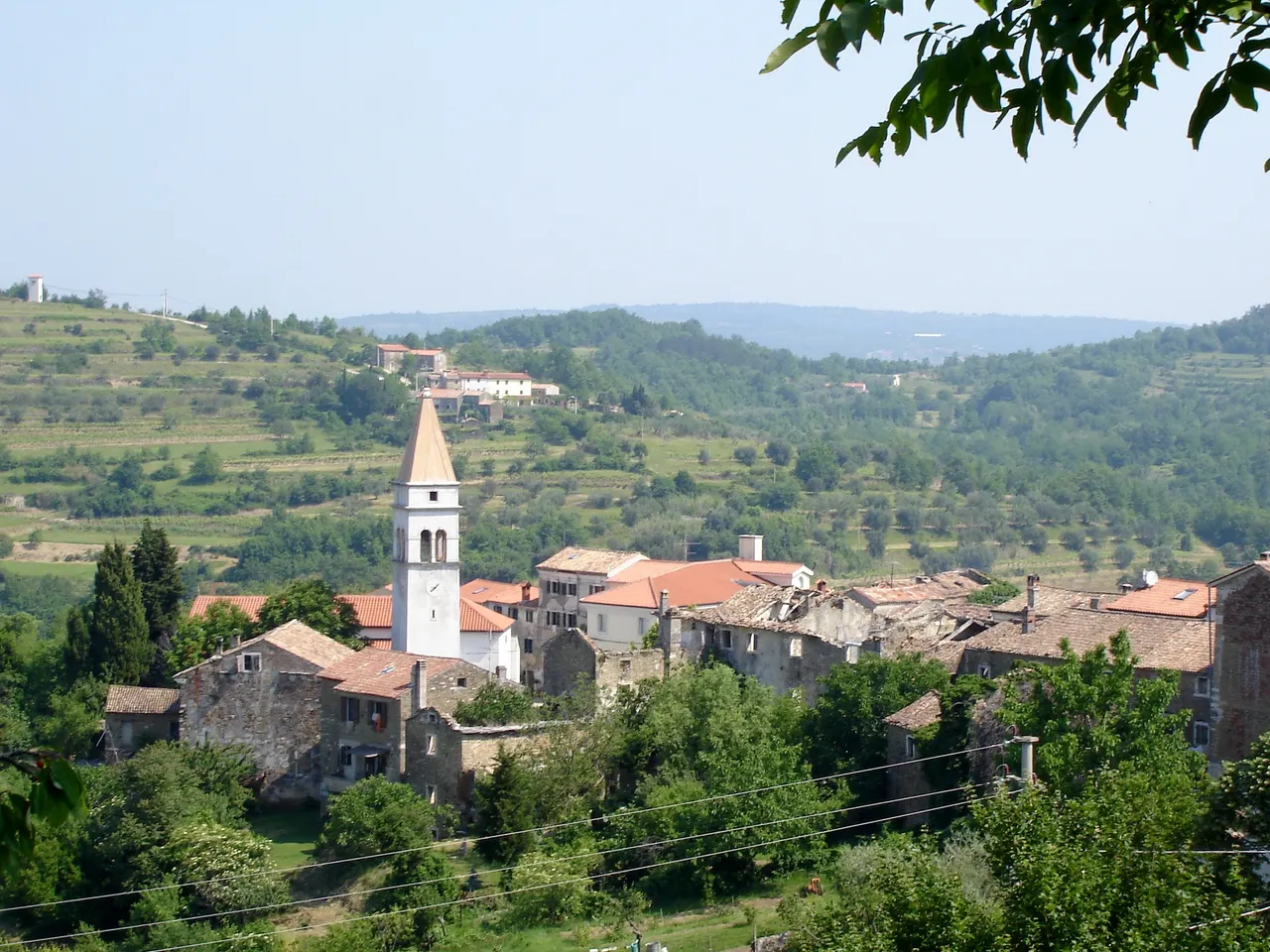
Istria does it differently. In Momjan, a small town north of Buje near the Slovenian border, St Martin is the parish patron and the wine is sweet Muškat momjanski. The 2022 programme had a blessing of the young Muscat on St Martin’s Square and the Vetrina muškata, a Muscat show with producers from Istria, Slovenia and Italy. The food changes too: Bajuk notes that Istria marks the day with young wine and bakalar, dried cod. If you’re on the peninsula for truffle season anyway, Momjan’s 2026 dates are already fixed, so it can go straight in the diary.
Goose, mlinci and what to pour
The Zagreb County tourist board’s Martinje table reads: goose with mlinci, chestnuts, buncek (smoked pork knuckle), sausages, cabbage and young wine. Mlinci are brittle sheets of dough made from flour, water and salt and baked on hot plates, and the Zagorje version has been an EU-protected name since 2019, traditionally served with roast poultry. Regional menus drift: Bajuk lists turkey for Zagorje, buckwheat cake in Prigorje and game in Moslavina, and in Međimurje an old family custom of eating the goose in silence while a relative dressed in white plays St Martin. Dugo Selo adds gibanica and strudel for dessert.
For the glass, ask what’s local and young. Mošt is still-fermenting must, sweet and cloudy; mlado vino is the young wine it becomes. Around Jastrebarsko that means portugizac, with raspberry, blackberry and blueberry notes, according to the town tourist board. In Zelina it’s kraljevina, in Kutjevo graševina, in Momjan the Muscat. None of these is the Croatia of the Dalmatian export reds. Portugizac ripens early and goes on sale as soon as it’s finished fermenting, which makes November its month; our Croatian wine guide covers the rest of the map, from Istrian Malvazija to the sparkling wines of Plešivica.
Getting home without the car keys
The legal limit for someone driving a car in Croatia is 0.50 g/kg of alcohol in the blood, and zero for truck, bus and professional drivers and for drivers under 24 who hold a Croatian licence. Between 0.50 and 1.00 the fine is €390-660, between 1.00 and 1.50 it’s €660-1,990, and above that €1,320-2,650 or up to 60 days in jail, under article 199 of the Road Traffic Safety Act. Cyclists and e-scooter riders over 0.50 pay €60. A tasting that moves from cellar to cellar adds up faster than it feels, and Zagreb County’s own Martinje announcement asks people not to drive after drinking.
The good news is that the closest celebrations are on rail and bus lines. Last trains and buses back to Zagreb in November 2026, on the HŽPP, Samoborček and ZET timetables we checked on 2 October 2026:
- Jastrebarsko: train at 21:59 every day of the Martinje weekends and on Wednesday the 11th; the Samoborček bus from Cvetković to Savski most leaves at 22:20 on weekdays and 22:15 on Sundays and holidays, but at 21:40 on Saturdays, and from Savski most tram 4 runs on to the main railway station, the last one shortly after midnight.
- Dugo Selo: train at 22:22 Monday to Saturday, 22:45 on Sundays.
- Velika Gorica: train at 22:15; ZET city bus 268 runs from the bus station in the centre to the main railway station all night, roughly every 15 minutes in the evening and about hourly after 00:35.
- Samobor: bus at 23:00 on weekdays, 22:30 on Saturdays, 22:10 on Sundays.
For Sveti Martin na Muri, Kutjevo or Momjan, book a bed in town. For the Plešivica cellars, go with a driver.
One week, three evenings: Martinje from a Zagreb base
The Martinje week overlaps with the Zagreb Film Festival, running 9-15 November 2026, so a single trip can take in an evening in Samobor on whichever day it picks, a weekend night in Jastrebarsko or Dugo Selo, and film screenings in the city between them, if the towns keep to their 2025 pattern. If you can stay on, Advent in Zagreb opens on 28 November; our Advent guide has the markets and what they cost. Town programmes land between late September and the first days of November, so check the local tourist board then; and if November doesn’t fit, our Croatia festivals calendar runs from the Rijeka Carnival in winter to the truffle weekends in Livade in autumn.
Opening hours, prices, timetables and seasonal services change through the year - the figures here are planning estimates, not quotes. Confirm current details with the operators and official sources before you go.
Photos
Read also

Entertainment · 9 min read
Dubrovnik Nightlife: Revelin, Cliff Bar & Getting Home
Verified · October 3, 2026Dubrovnik nightlife: sunset at Buža, Old Town wine bars, Culture Club Revelin 22:30-05:30 in season, Gruž and Lapad bar prices, the 01:15 last bus.

Entertainment · 11 min read
Zagreb Nightlife 2026: Bars, Clubs & Craft Beer
Verified · September 19, 2026Zagreb nightlife by area: Tkalčićeva's bars, Opatovina's craft beer, the touring KSET club scene and Jarun Lake in summer - plus real, published prices.

Entertainment · 10 min read
Split Stag Do: Boats, Hotels & How to Plan
Verified · September 23, 2026Plan a Split stag weekend: group base, boat tickets from €40, airport van vs €10 shuttle, two-night running order.

Entertainment · 10 min read
Ultra Europe Split 2027: Tickets, Camping, Tips
Verified · August 16, 2026Next Ultra Europe is 9-11 July 2027 at Park Mladeži, Split. Official tickets from €199; camping combo is in Omiš, not at the stadium.