
Dubrovnik Summer Festival 2027: Dates, Tickets & Tips
The 78th Dubrovnik Summer Festival runs 10 July to 25 August 2027. Seats started at €10-€40 in 2026 and plays sold out first: when to book, what to pick.
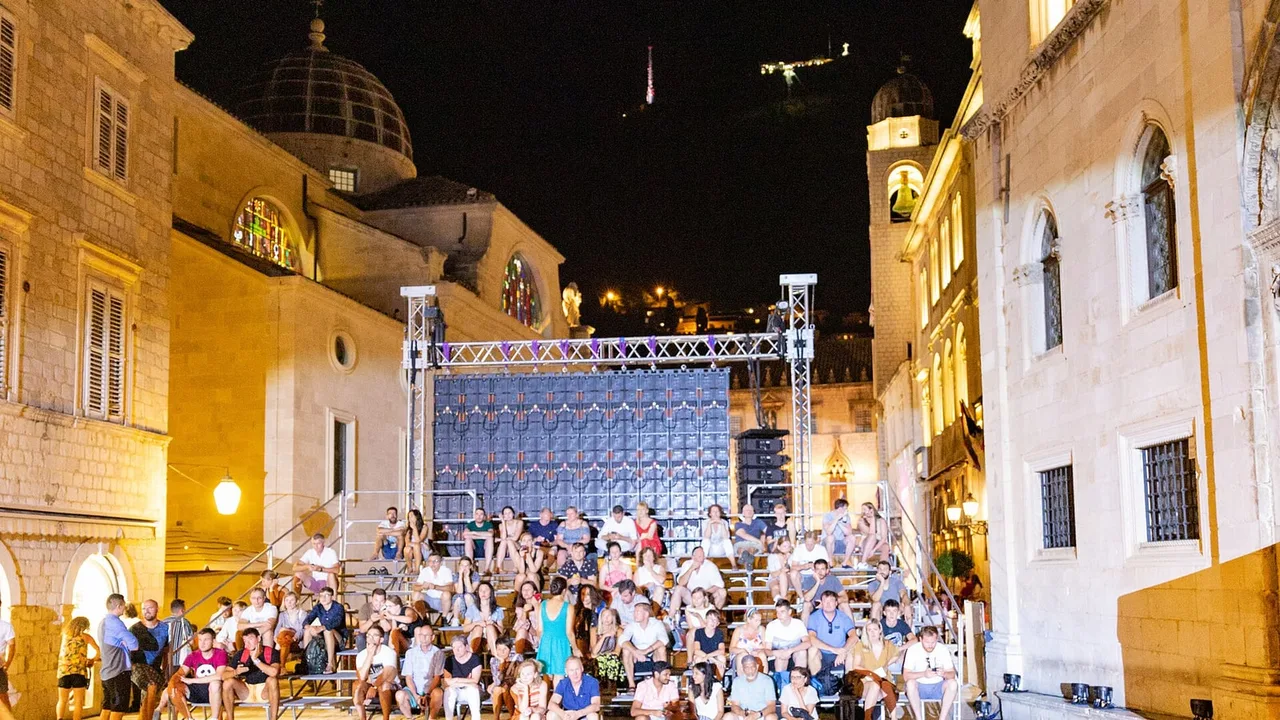
Dubrovnik’s summer festival doesn’t move: the 78th edition opens on 10 July and closes on 25 August 2027. The public institution behind it exists to stage it once a year between exactly those dates, so you can book flights now and choose performances once the programme is out in February 2027. In 2026 tickets started at €10 to €40 depending on the show, and two days after the opening four of the plays were already sold out online for every date.
So you’re not racing anyone for dates. You’re racing them for tickets: plays vanish in spring, while most concerts still have seats in August.
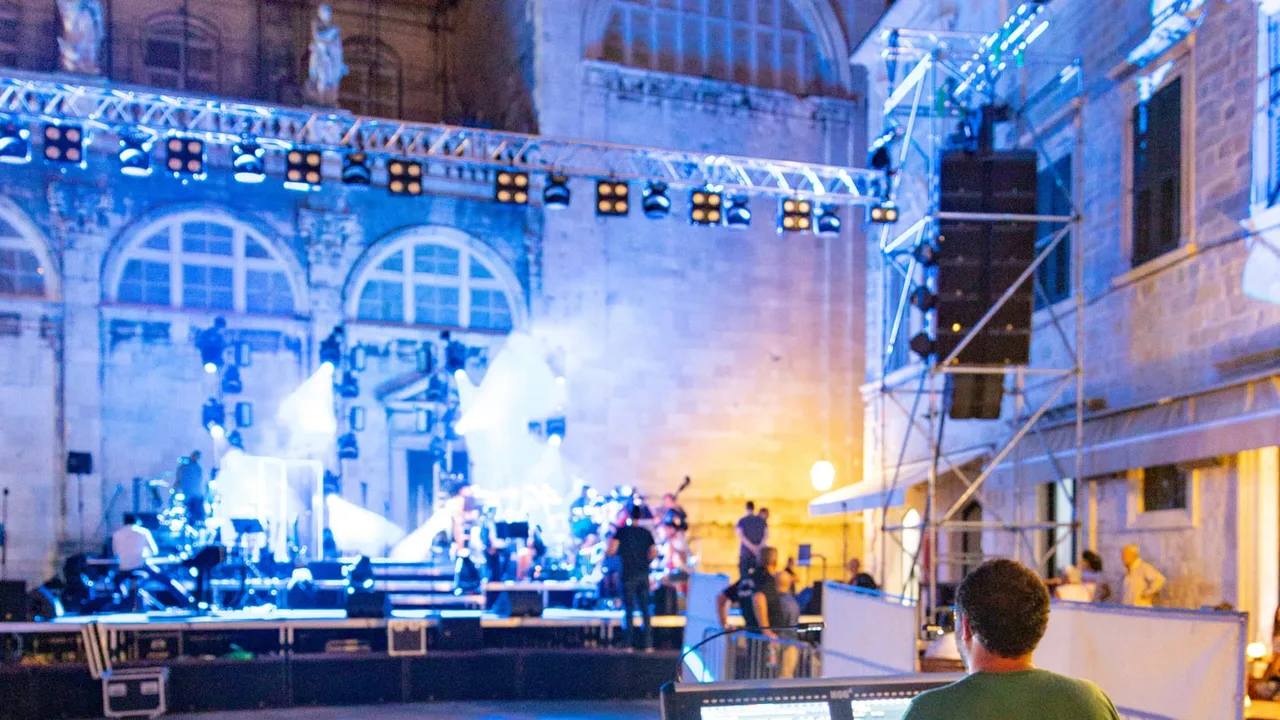
Forty-seven nights on stone stages
The festival started in 1950 and is run by a public institution that the City of Dubrovnik founded and still owns. Its idea hasn’t changed much: theatre, music and dance played in the old town itself, on squares, in palace courtyards, on a fortress and on an island, not in a theatre building. In 2026 that meant more than 70 programmes across 47 days, eight of them theatre productions. Our Croatia festivals calendar has what else runs across the country in July and August.
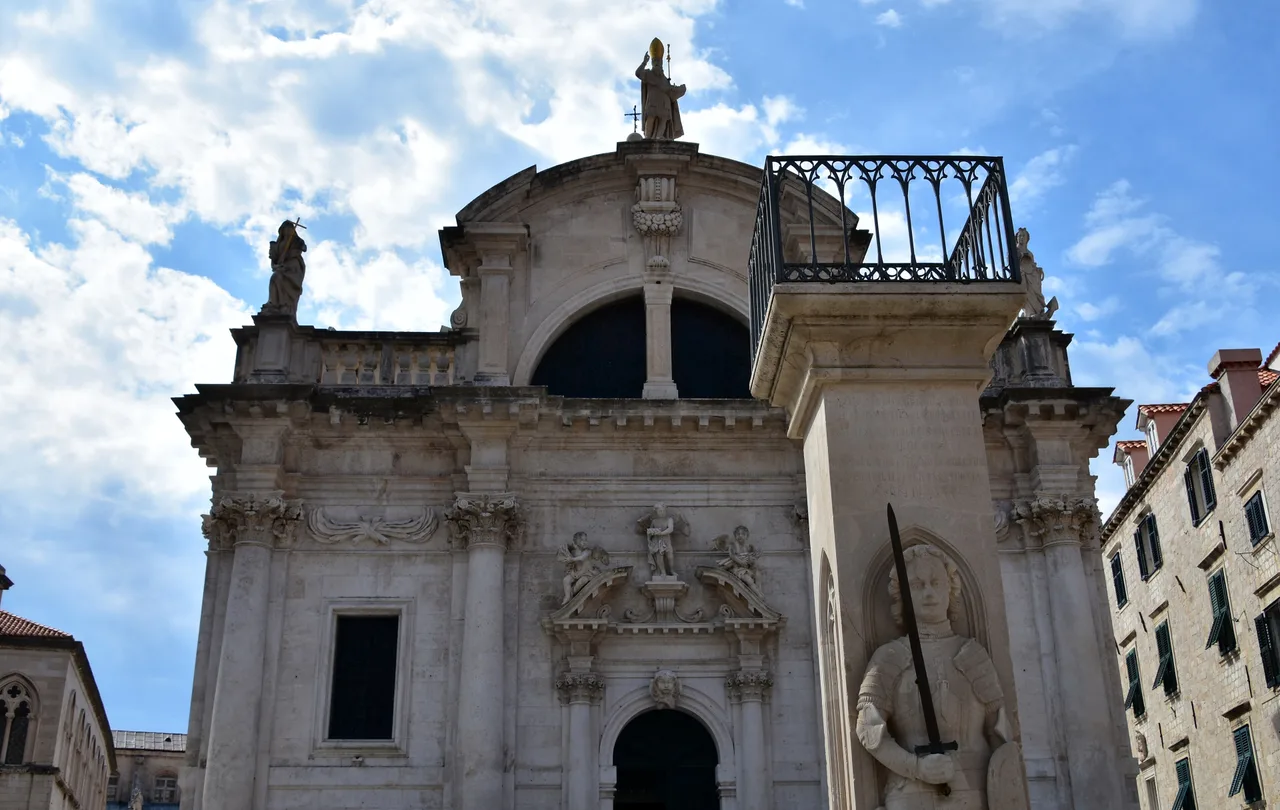
It opens and closes with the same flag. On 10 July (at 21:00 in 2026), in front of St Blaise’s Church, the Libertas flag goes up to the verses of Gundulić’s Hymn to Liberty. On 25 August, after the closing opera gala in front of the Cathedral, the flag comes down and is put away, in the festival’s own phrase entrusting it to the silence of the coming winter.
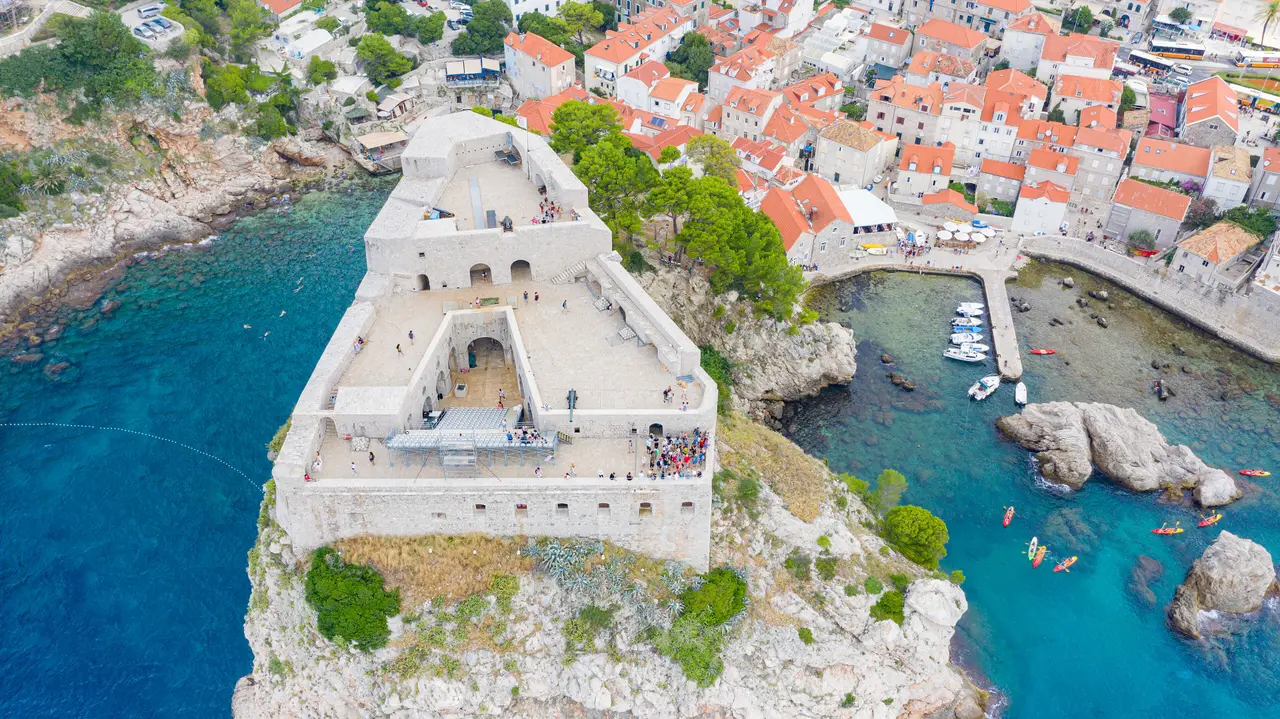
The signature stage is Fort Lovrjenac (often spelled Lovrijenac), the fortress on its own rock outside the western walls. Hamlet went up there as early as 1952, and the festival’s Hamlets over the years have included Derek Jacobi and Daniel Day-Lewis, who played the part at Lovrjenac in 1989. In 2026 Lovrjenac carried two of the big productions, Shakespeare’s Richard III and Medea.
Where the stages are, and what a seat cost in 2026
The festival rotates its programme between about a dozen venues. Here’s what the main ones staged in 2026 and the lowest ticket price the official seller listed for them, as it stood on 12 July 2026:
| Venue | What played there in 2026 | Cheapest seat in 2026 |
|---|---|---|
| Fort Lovrjenac | Richard III, Medea | from €30-€40 |
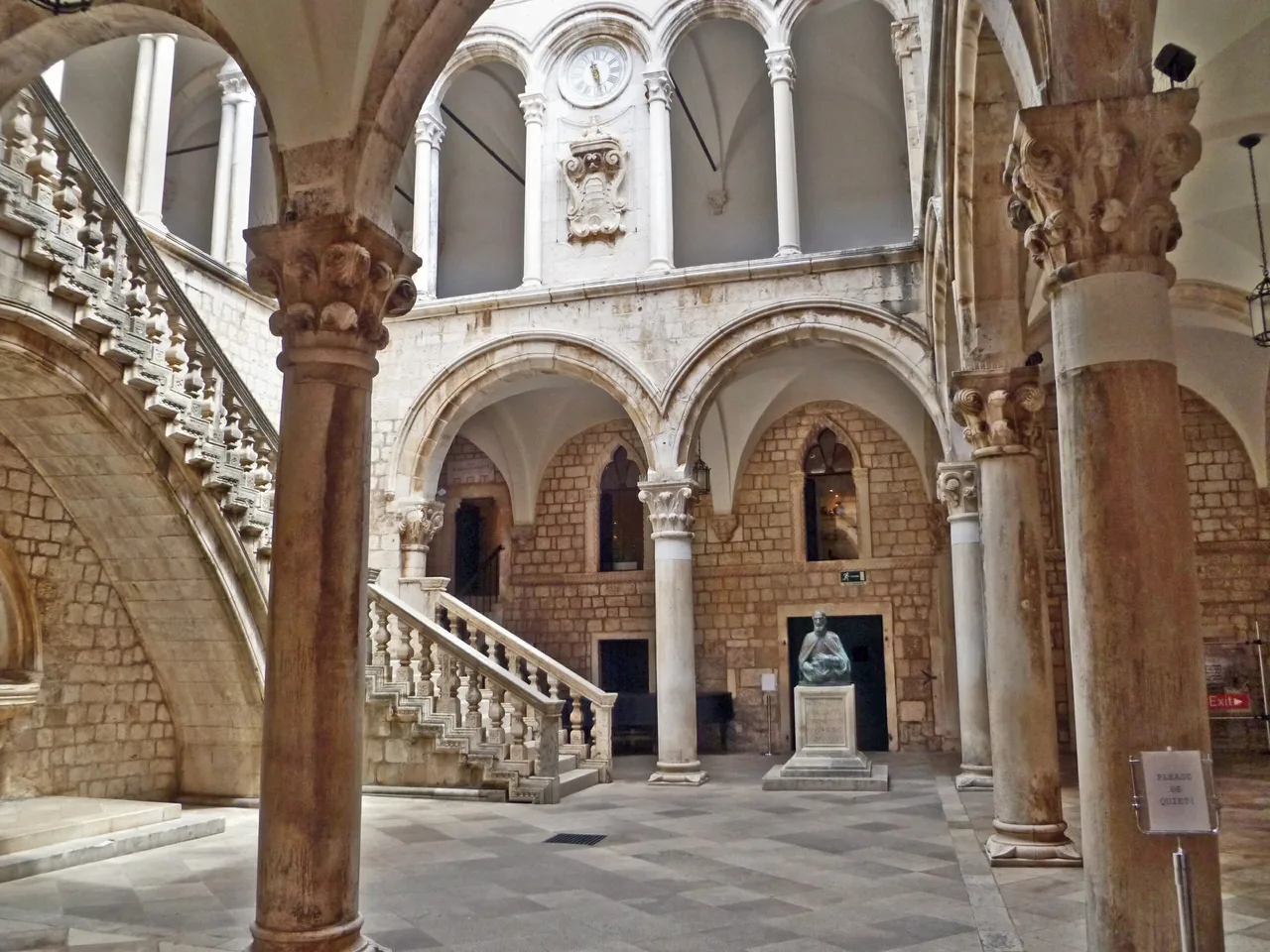
| Rector’s Palace Atrium | Chamber and symphony concerts, including Joshua Bell with the Academy of St Martin in the Fields | from €20-€40 |
| In front of St Blaise’s Church and the Cathedral | Linđo folklore, the Zagreb Philharmonic, the closing opera gala | from €25-€40 |
| Ruđer Bošković Square | Držić’s comedy The Miser | from €40 |
| Revelin Fort Terrace | Ballet from Maribor, Linđo, a family ballet | from €10-€30 |
| Island of Lokrum | Ibsen’s The Lady from the Sea | from €40 |
In pounds and dollars, €10 is about £8.50 / $11.20, €25 about £21.20 / $28, €30 about £25.40 / $33.60 and €40 about £33.90 / $44.80. For most events the seller lists a “from” price, so better seats cost more. The 2027 programme will move productions around, so treat the 2026 prices as a floor: at least €25-€40 a head for most evenings.
What sells out, and how early
The official ticket shop on 12 July 2026, two days into the festival, tells the story. Online tickets were marked sold out for all five nights of The Miser and of Goldoni’s Le Baruffe Chiozzotte, for every date of Vojnović’s Equinox and of the perennial sell-out Mara and Kata, for the opening night of Richard III, whose four other nights had between 2 and 10 seats left, and for the first two nights of the play on Lokrum. The €10 family ballet was gone too. On the same page the closing opera gala still had 446 seats free, the Renaud Capuçon recital had 193 and the Linđo folklore evening 158.
Mara and Kata is the extreme case. In 2025 the festival announced on 16 June that it had sold out, along with Equinox; in June 2026 it added two extra performances because demand was high for the seventh year running. The pattern is clear enough to plan around: if a play is your reason to come, buy when sales open; for concerts and folklore you can usually decide once you’re in town, with exceptions for star names like Joshua Bell, whose 2026 concert had sold out online by 12 July.
When sales open. The 78th programme is due in February 2027, and the last two years give a guide. In 2025 tickets went on sale online on 10 February, with a 20% early-bird discount for the first two weeks. In 2026 sales opened on 2 March, online and at the box office in Dubrovnik on the same day, and premiere tickets followed on 6 March. Buy on the festival’s website or through ulaznice.hr, the seller it links to as its ticket shop.
Discounts. Paying with Mastercard took 10% off in 2026, and the festival offers Mastercard holders up to three instalments on purchases over €70. The 30% discount you’ll see mentioned is for residents of Dubrovnik-Neretva County. There’s also a festival gift card from €40 to €300, sold and redeemed at the box office in the Festival Palace at Od Sigurate 1. In summer the box office opens daily from 9:00 to 21:30; when 2025 sales opened in February, it kept weekday hours of 12:00 to 17:00.
Theatre in Croatian, music in any language
Before you buy a play, know this: in 2026 the drama was performed in Croatian. Richard III was staged in translation, Le Baruffe Chiozzotte went a step further in 2025, adapted into the Dubrovnik dialect, and the festival’s page for Mara and Kata states plainly that it is not subtitled in English. If you don’t speak Croatian, check the event page for surtitles before you pay €40 for a play.
That doesn’t rule the theatre out. A Shakespeare you know by heart on the walls of Lovrjenac at night is a different experience from reading the plot, even if you miss half the lines. But if the language matters to you, the concerts, ballet and the Linđo Folklore Ensemble, which has danced at the festival since 1967, need no translation at all.
Lokrum nights, rain and the walk home
Lokrum. When a play goes out to the island of Lokrum, the audience goes by boat. In both 2025 and 2026 it left at 20:15 from the Old Town Port, for a 21:00 curtain, and brought people back straight after the performance. Be on the quay early, because the play won’t wait for you.
Weather. Almost everything is outdoors, summer storms do happen, and venues can change on the day: on 19 August 2024 the festival moved that evening’s symphony concert from the Rector’s Palace into the Franciscan Church. So on an unsettled day, check the festival’s news page before you walk over.
Late finishes. Most performances start at 21:30, so you’ll be heading home late. If you’re staying in the old town, it’s a short walk home. From Lapad or Babin Kuk you’ll want the late city buses from Pile, and our Dubrovnik nightlife guide lists the last departures.
Rooms, flights and the airport
The festival falls in Dubrovnik’s peak season, when rooms in and around the old town go months ahead, so sort out the room first, well before the programme appears. Our where to stay in Dubrovnik guide compares the old town, Ploče, Lapad and Gruž; for a festival trip the old town and Ploče put you within walking distance of every stage except Lokrum, while Lapad saves money at the cost of the bus ride back. For getting in from Čilipi, see Dubrovnik Airport to the city.
One evening: what we would book
With a single night in the city, let the venue decide. For the full Dubrovnik effect, take whatever drama is on at Lovrjenac and accept that you’ll follow some of it from the gestures. For music without a language barrier, pick a chamber concert in the atrium of the Rector’s Palace, where the audience sits inside the palace courtyard. With children, the Linđo folklore evening is the easy win, and if the festival repeats its family ballet on the Revelin terrace, book that the day sales open: at €10 it had sold out online by 12 July 2026, two weeks before the shows. Then spend the daylight on the walls and the old town with our one day in Dubrovnik plan.
Opening hours, prices, timetables and seasonal services change through the year - the figures here are planning estimates, not quotes. Confirm current details with the operators and official sources before you go.
Photos
Read also

Entertainment · 7 min read
Christmas in Croatia 2026: What's Open 24-26 December
Verified · October 31, 2026Christmas Day is a Friday in 2026, so shops shut by law from 25 to 27 December. Flights, ferries and Krka day by day, and what is still to be announced.

Entertainment · 9 min read
Easter in Croatia 2027: Holy Week, Za Križen and What's Open
Verified · October 27, 2026Easter in Croatia falls on 28 March 2027. Za Križen on Hvar, Korčula's processions, what's open in late March, shop closures, ferries and weather.

Entertainment · 9 min read
Feast of St Blaise in Dubrovnik 2027: Dates and Procession
Verified · October 24, 2026Dubrovnik's Feast of St Blaise opens on 2 February 2027 and peaks on Wednesday 3 February. The 2026 programme as a guide, UNESCO status and how to arrive.

Entertainment · 11 min read
Sea Kayaking in Dubrovnik: Tours, Routes & What It Costs
Verified · October 13, 2026Guided sea kayaking from Pile bay, €35-45 on the operators' own sites in October 2026: routes, the Lokrum ticket, age rules, refunds.